You’re driving through Bowling Green, Kentucky, passing the usual sprawl of strip malls and chain restaurants, and then suddenly—right there behind a CVS—the ground just kind of disappears. It’s weird. You expect a massive natural wonder to be tucked away in some remote national park, but Lost River Cave is basically hiding in plain sight. It’s a 72-acre urban oasis that feels like a glitch in the geography of a modern city.
Most people come here for the boat tour. It's the only one in Kentucky. But if you think this is just a quick 20-minute float through a damp hole in the ground, you’re missing the point. The history of the Lost River Cave in Bowling Green KY is messy, loud, and surprisingly cinematic. We’re talking about a spot that has served as a makeshift hospital for both Union and Confederate soldiers, a hideout for the outlaw Jesse James, and a literal underground nightclub in the 1930s.
It’s a place where the geology is literally "karst," which is just a fancy way of saying the limestone is so porous that the earth is basically a giant sponge. This creates a landscape of sinkholes and disappearing streams. The river doesn't just flow; it vanishes.
The Weird Science of Why the River "Disappears"
Let's get the technical stuff out of the way first because it’s actually cool. The "Lost River" is a classic example of a subterranean stream. According to the Kentucky Geological Survey, the region sits on a massive thicket of Mississippian-aged limestone. Over millions of years, slightly acidic rainwater ate away at the rock, carving out a massive network of tunnels.
What makes Lost River Cave unique is its massive entrance. It’s one of the largest cave openings in the Eastern United States.
But where does the water go?
Basically, the river flows along the surface for a bit, then dives into the cave system, travels underground for about three miles, and eventually pops back up at the Barren River. It’s not "lost" in the sense that we don't know where it is; it’s lost because the geography swallows it whole. If you’re visiting after a heavy rain, the "blue hole" (a deep, water-filled sinkhole) can look like a boiling pot of mud. On a dry day, it’s a calm, eerie turquoise.
The sheer volume of water that moves through here is staggering. During the 1930s, engineers tried to measure the depth of the blue hole and couldn't find the bottom with their standard equipment. Local legend used to say it was bottomless. It isn't, obviously—it’s about 437 feet deep—but that’s still deep enough to swallow a skyscraper.
From Civil War Hospital to Jesse James’ Escape Route
History here isn't a boring museum plaque. It's etched into the walls. During the Civil War, Bowling Green was the "Confederate Capital of Kentucky," a strategic railroad hub that both sides desperately wanted. The cave was a natural fortress. It’s a constant 57 degrees year-round. Think about that. No air conditioning, no heating, just a reliable, cool shelter.
Soldiers used the cool air to recover from wounds. They used the water to survive.
Then you have the outlaw stuff. Jesse James is the big name everyone throws around. Legend says he and his gang hid out in the cave after robbing a bank in Russellville in 1868. Is it 100% proven? Maybe not. But the cave’s proximity to the road and its labyrinthine layout made it the perfect spot for anyone who didn't want to be found.
It wasn't always a "protected" site, though. For a long time, the cave was basically a dump. Literally. In the mid-20th century, people used the sinkholes as trash pits. It took a massive community effort and the formation of the Friends of Lost River in the 1990s to clean the place up. They hauled out tons of debris, including old tires and rusted-out appliances, to restore the ecosystem you see today.
The Cavern Nite Club: When the Cave Got Classy
This is my favorite part of the story. In the 1930s, a guy named Jimmy Cherry decided that a damp cave entrance was the perfect place for a high-end ballroom. He called it the Cavern Nite Club.
He poured a concrete floor right at the mouth of the cave. He built a bandstand. He even put in a bar.
People would get dressed up in tuxedos and evening gowns to dance the night away in a cave. Because of the natural airflow, it was the coolest place in town during the humid Kentucky summers. NBC even did a live radio broadcast from the cave in 1939. You can still see the remains of the dance floor today. It’s surreal to stand there and imagine big band music echoing off the stalactites while people sipped cocktails.
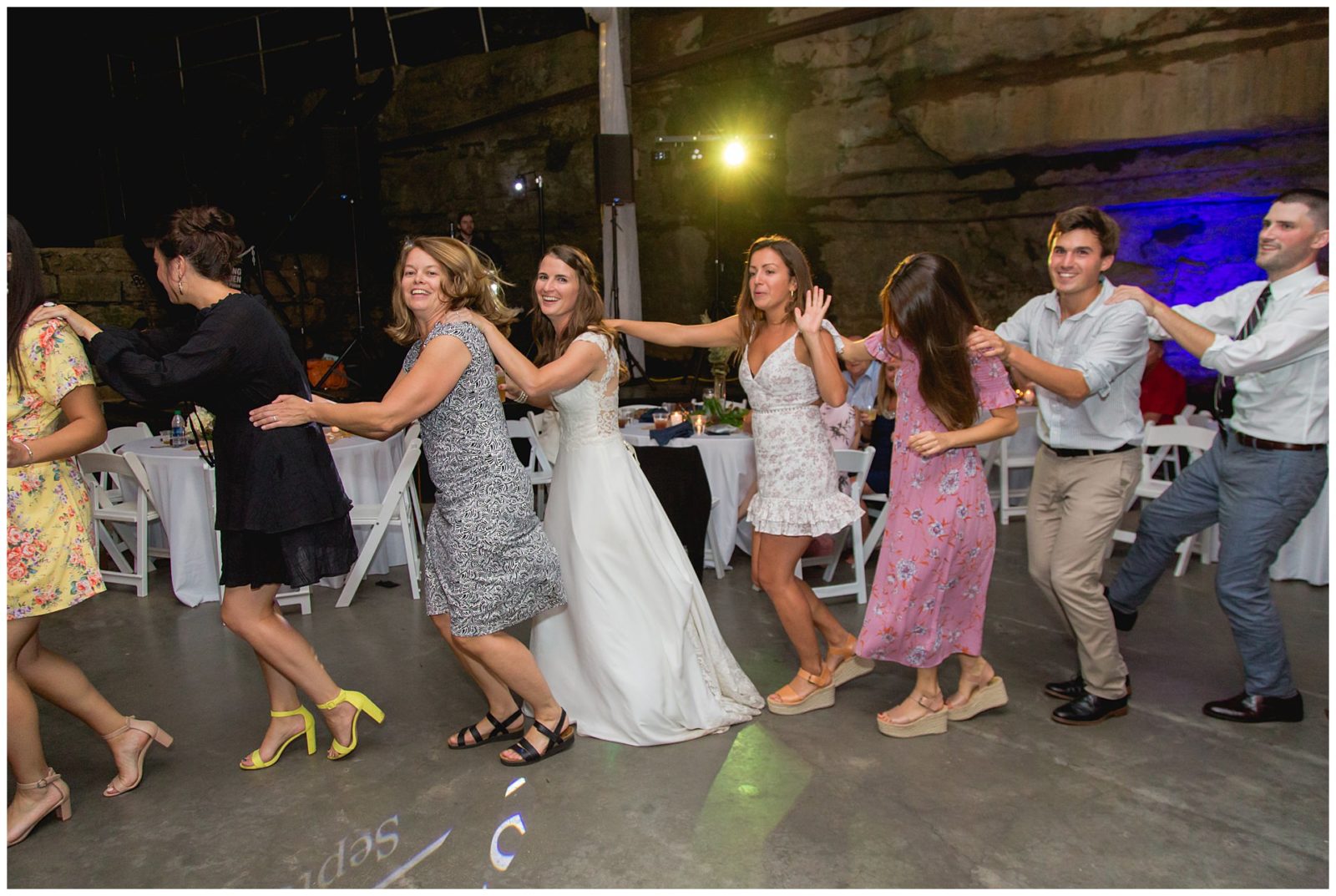
Today, that same area is used for weddings. It’s probably the only wedding venue where you have to check the weather for "flash flooding" inside the ballroom.
What to Actually Do When You Get There
If you’re planning a trip to Lost River Cave in Bowling Green KY, don't just book the boat tour and leave. You’ll be done in an hour and miss the best parts.
- The Boat Tour: Yes, do it. You have to duck your head as the boat passes under the "wishing rock" (a low-hanging limestone ledge). It’s the only way to see the deep interior of the cavern where the river still flows.
- The Valley Trails: There are several miles of trails. They’re easy, mostly flat, and take you past the blue holes and the remains of old mill dams. The "Discovery Trail" is great for kids because it has interactive stations.
- The Butterfly House: Open seasonally (usually May through September). It’s a screened-in garden where you can walk among native Kentucky butterflies. It’s peaceful, though a bit of a contrast to the dark, damp cave.
- Geocaching: There are several caches hidden around the property. It’s a fun way to explore the parts of the woods that most tourists skip.
One thing to keep in mind: the boat tours are entirely dependent on the water level. If it rains too much, the river rises, and the "low ceiling" becomes "no ceiling." The tours get cancelled. Always check their website or call ahead if the weather looks sketchy.
The Reality Check: Logistics and Limitations
Let’s be real for a second. It's a cave in the middle of a city. You’re going to hear some traffic noise on the trails. This isn't the middle of the Appalachian wilderness.
The boat tour isn't a thrill ride. It’s a slow, educational float. If you’re looking for white-water rafting, you’re in the wrong place. But if you want to see how water shapes the world beneath our feet, it’s fascinating.
Accessibility is a bit of a mixed bag. The visitor center and the trails near the entrance are accessible, but the cave tour involves a steep ramp down into the valley and then onto the boat. If you have mobility issues, call ahead to see how they can accommodate you.
Why This Place Actually Matters for Kentucky
Beyond the tourism, Lost River Cave is a massive classroom. They do a ton of work with local schools to teach kids about the watershed. Because the cave is part of the urban drainage system, whatever people pour down their storm drains in Bowling Green eventually ends up in the cave.
The Friends of Lost River use the site to demonstrate "Green Infrastructure." They have pervious pavement in the parking lot—which is basically "thirsty" asphalt that lets water soak through instead of running off—and rain gardens that filter pollutants. It’s a weirdly perfect marriage of 19th-century history and 21st-century environmental science.
Pro-Tips for the Best Experience
Don't be the tourist who shows up in flip-flops and gets annoyed that their feet are wet.
- Wear sneakers: The trails can be muddy, and the cave floor is damp.
- Bring a light jacket: Even if it’s 95 degrees outside, it’s 57 in the cave. That temperature drop hits you hard about ten minutes into the tour.
- Book in advance: During the summer and on weekends, the boat tours sell out fast.
- Check the "Water Level" status: They usually post this on their social media or website. Save yourself the drive if the river is flooded.
Actionable Steps for Your Visit
To get the most out of your trip to the Lost River Cave in Bowling Green KY, follow this specific sequence:
- Arrive early: Aim for a 9:00 AM or 10:00 AM slot to beat the heat and the largest crowds.
- Do the tour first: Get the cave portion done while you’re fresh.
- Hike the "Blue Hole" trail: Take the path that leads away from the cave entrance toward the natural springs. It’s where you’ll see the most impressive geological features.
- Visit the Distillery nearby: If you're into local spirits, Corsair Distillery is just down the road and often uses local water sources for their process.
- Combine it with Mammoth Cave: If you’re a real cave nerd, Lost River is only about 30 minutes from Mammoth Cave National Park. Doing both in one weekend gives you a complete picture of Kentucky’s karst landscape—Mammoth for the scale, and Lost River for the unique water-based experience.
The site is located at 2818 Nashville Road, Bowling Green, KY. It’s easily accessible from I-65. Parking is free, which is a nice perk these days. Just look for the big wooden sign behind the commercial strip—it’s the gateway to a world that most people drive right past without ever realizing it's there.