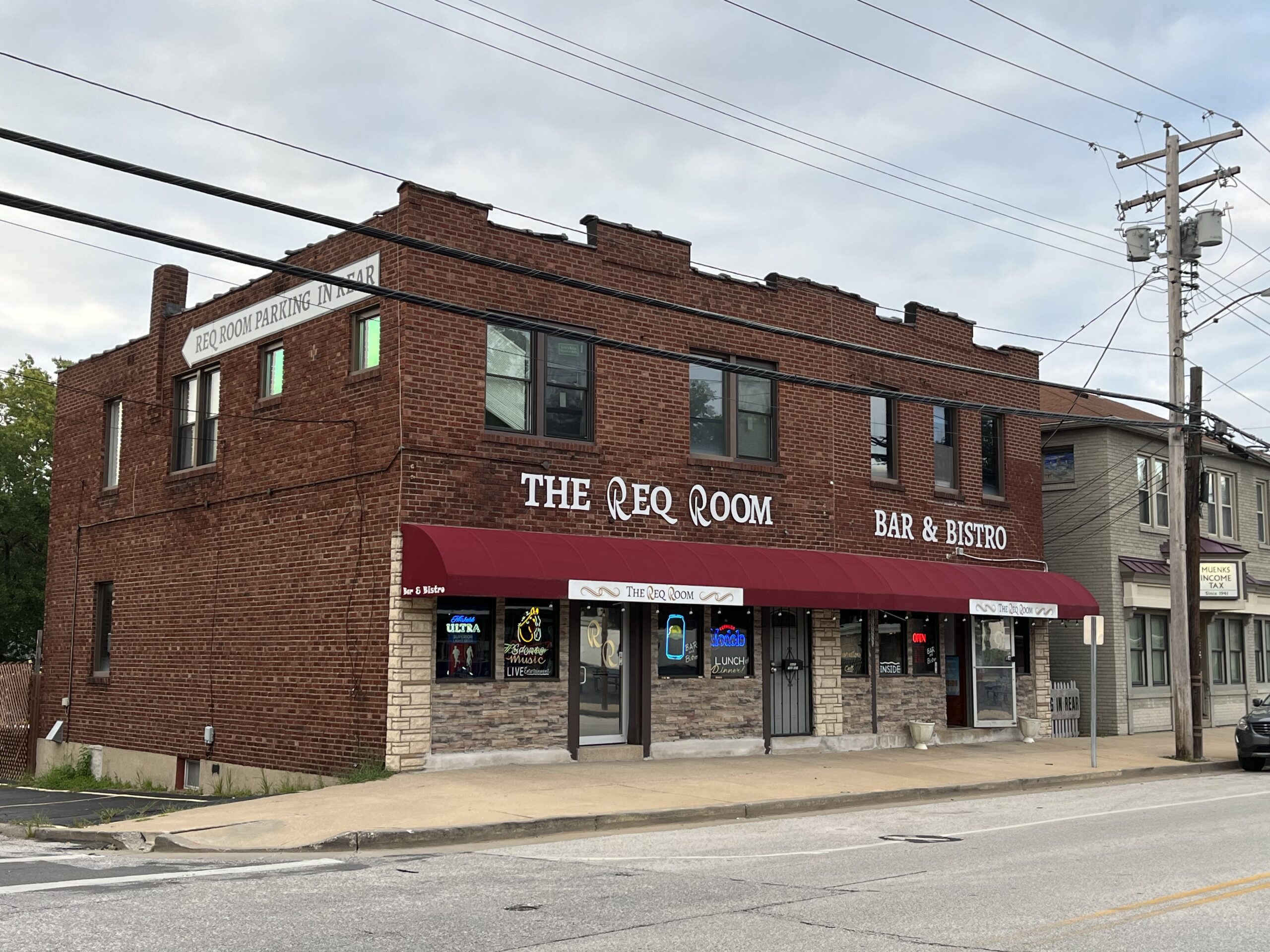
You’ve probably driven past it a thousand times without really looking. If you're heading down Olive Boulevard toward the city, it’s that stretch between University City and Creve Coeur where the speed limits get a little tighter and the trees suddenly seem a lot older. Olivette St. Louis MO isn’t trying to be flashy like Clayton or sprawling like Chesterfield. It’s a place that knows exactly what it is: a mid-century gem that’s currently undergoing a massive identity shift.
People used to call it "Olive-ette" because of the road. It’s small. Barely 2.8 square miles. But don't let the map fool you because the local real estate market is currently on fire, and for good reason.
The Ladue Schools Factor
Honestly, you can't talk about this town without mentioning the schools. It’s the elephant in the room. Most of Olivette sits within the Ladue School District, specifically Ladue Horton Watkins High School. For parents, that’s basically winning the lottery without having to pay Ladue property taxes—though, let’s be real, Olivette taxes aren't exactly "cheap" anymore.
According to the Missouri Department of Elementary and Secondary Education (DESE), Ladue consistently ranks at the top of the state for MAP scores and college readiness. Living in Olivette gives your kids access to those resources while you live in a neighborhood that feels way more approachable and less "old money" than the 63124 zip code next door.
It's a weird dynamic. You have these modest 1950s ranch houses on one street, and then right around the corner, someone has knocked one down to build a $1.2 million modern farmhouse. The architectural whiplash is real.
The Olive Boulevard Transformation
For years, Olive Boulevard was... well, it was a bit of a drag. A lot of functional but uninspiring brick buildings and parking lots. That is changing fast.
The $65 million Olive Crossing development at the corner of Olive and I-170 is a game changer. If you haven't been there lately, it’s unrecognizable. We’re talking about a massive mixed-use hub that finally gives the city a "center." It’s got the AMC DINE-IN, high-end apartments, and new retail. It’s basically Olivette saying, "Hey, we can do luxury too."
But the real heart of the food scene here isn't the new stuff. It’s the staples.
- Sugarfire Smoke House: This is the original. People forget that. Before it was a franchise taking over the Midwest, it was just this quirky BBQ joint in a strip mall in Olivette.
- Fallon’s Bar & Grill: If you want a pint and a decent burger without any pretense, this is where the locals go.
- Tai Ke Shabu Shabu: For those who know, this is some of the best Taiwanese food in the entire St. Louis metro area. The Three Cup Chicken is life-changing.
Parks, Trails, and the Great Outdoors
One thing people get wrong about Olivette St. Louis MO is thinking it's just a pass-through town. It actually has one of the best park systems for its size. Stacy Park is the crown jewel. It has 35 acres of open space, a great playground, and some of the best hills for sledding when we actually get snow in St. Louis.
The city is also working on the Centennial Greenway. This is a big deal for the Great Rivers Greenway initiative. It’s eventually going to connect Forest Park all the way out to the Katy Trail. Right now, the sections through Olivette are perfect for a weekend bike ride or a long walk with the dog. It makes the city feel connected to the rest of the region in a way that isn't just about cars and highways.
A Community in Transition
There is a tension here, though. You see it in the city council meetings and the Nextdoor posts. As developers move in to "scrape" old houses, the price of entry is skyrocketing.
The charm of Olivette used to be its affordability for young families. Now, a 1,200-square-foot ranch that hasn't been updated since 1974 can easily clear $350,000 because of the land value alone. For some, this is "progress" and a boost to the tax base. For others, it feels like the town is losing the diverse, middle-class vibe that made it special.
Why Location is Everything
If you work at Bayer (formerly Monsanto), Donald Danforth Plant Science Center, or WashU, you basically have a five-minute commute. That is the secret sauce.
You are 15 minutes from the airport. 10 minutes from downtown Clayton. 15 minutes from the Central West End. Living in Olivette means you are at the geographic center of everything that matters in St. Louis County. You skip the nightmare traffic of I-270 while still having easy access to I-170 and I-64.
It’s efficient. That’s the word.
The Diversity Edge
Unlike some of its neighbors to the west, Olivette is surprisingly diverse. The 2020 Census data showed a significant Asian American population and a solid Black middle class. This shows up in the schools and the local businesses. It feels more like a "real" place than a curated suburb. People here actually talk to their neighbors. You’ll see kids of all backgrounds biking together in neighborhoods like Indian Meadows or Willow Hill.
What You Need to Know Before Moving Here
If you’re looking at Olivette St. Louis MO as a place to live, don't just look at the Zillow photos.
- Check the School Boundaries: Not every single house in Olivette is in the Ladue School District. A small portion falls into Pattonville. It’s a great district too, but if you’re buying for the Ladue name, verify the address on the district map first.
- The Deer Situation: It sounds like a joke until you’re driving down Old Bonhomme Road at dusk. The deer population here is massive. They will eat your hostas, and they will challenge your car to a game of chicken.
- Property Taxes: Missouri reassesses every two years. With the recent boom in Olivette property values, be prepared for your escrow to jump.
- The "Inner Belt" Noise: If you’re looking at a house right along I-170, go visit it during rush hour. The convenience of the highway comes with a soundtrack of tire noise.
The Verdict on Olivette
It’s not the sleepy suburb it was twenty years ago. Olivette is maturing. It’s getting denser, more expensive, and more urban in its amenities. But at its core, it still feels like a neighborhood. It’s the kind of place where you know the librarian and the guy who owns the local hardware store.
Whether you're coming for the schools, the BBQ, or the central location, you’re getting a slice of St. Louis that is actively defining its own future.
Practical Next Steps for Potential Residents or Visitors
- Visit the Community Center: The Five Oaks on Warson is a brand-new, state-of-the-art facility. Even if you don't live there, check out their programs or the indoor playground if you have kids.
- Drive the Backroads: Get off Olive. Drive through neighborhoods like Dielman Estates or Stoney End to see the mix of old and new construction.
- Eat at the "International" Strip: Explore the smaller shops along Olive near the U-City border. Some of the best hidden-gem grocery stores and eateries are tucked away in unassuming storefronts.
- Contact the City Hall: If you’re planning a renovation, talk to the planning department early. Olivette is notoriously thorough with their building codes and inspections.