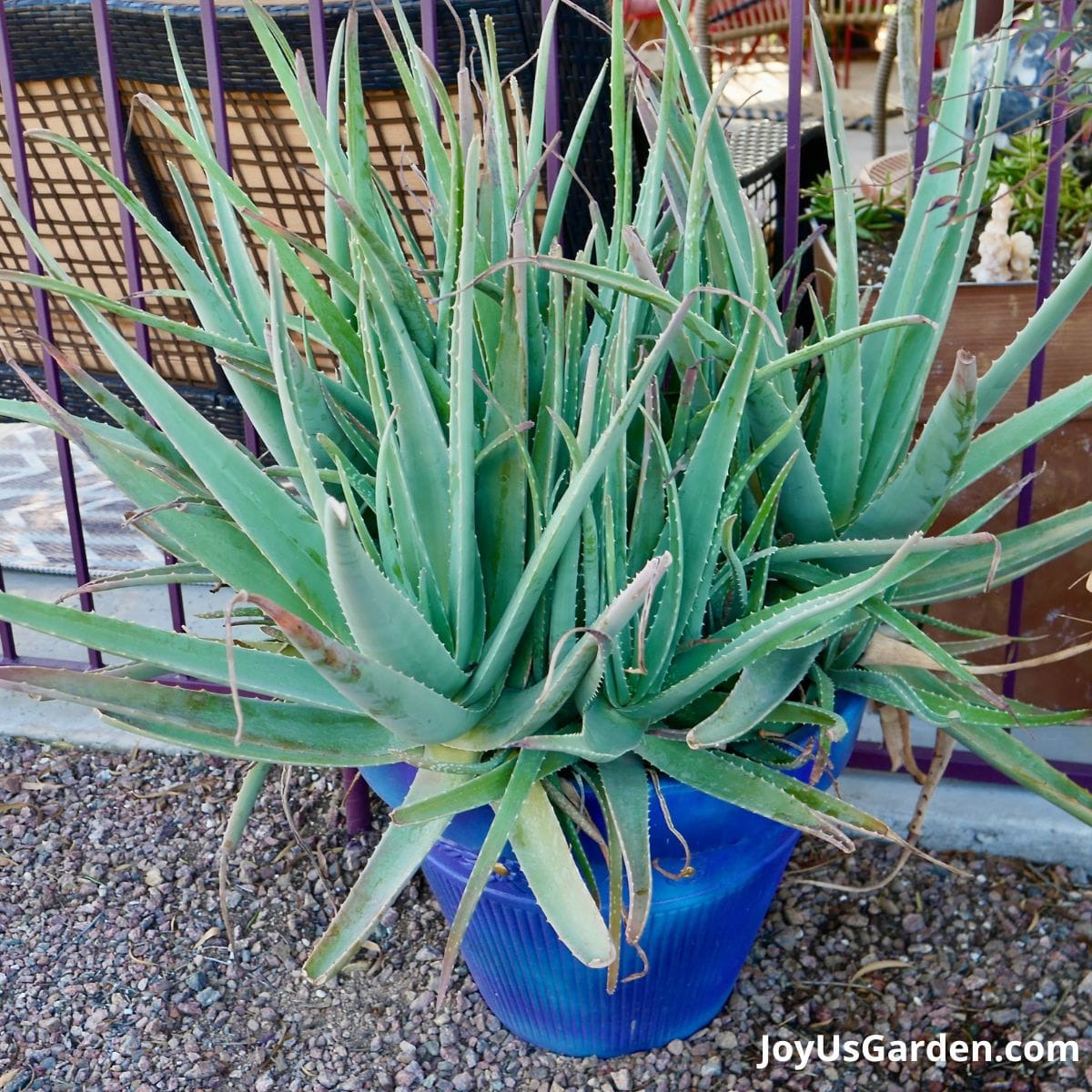
So, you’re scrolling through Instagram or Pinterest, and you see these stunning pictures of aloe vera plants that look like they belong in a high-end botanical garden. They’re massive. They have these thick, vibrant orange flowers reaching for the sky. Then you look at that sad, floppy thing sitting on your windowsill in a chipped terracotta pot. It’s okay. We’ve all been there. Most people don’t realize that the Aloe barbadensis miller—the specific species we usually call "Aloe Vera"—is actually a bit of a shapeshifter depending on how much sun it gets and how old it is.
The truth is, what you see in professional photography often captures these plants in their "stress" phase or their peak reproductive cycle. It’s a bit of a lie, but a beautiful one.
What Most Pictures of Aloe Vera Plants Get Wrong About Growth
When you search for pictures of aloe vera plants, you often see these perfectly symmetrical rosettes. They look like green stars. In reality, young aloe plants are "distichous," which is a fancy botanical way of saying their leaves grow in two flat rows. They look like a fan. It’s only as they mature—usually after a few years—that they start to spiral into that classic circular shape. If your plant looks like a flat hand right now, don't panic. It's just a baby.
Actually, the color in those photos is usually edited or the result of environmental hardship. A perfectly healthy, pampered indoor aloe is a dull, dusty green. But the ones that get the most clicks? Those are the ones with red-tipped leaves. That's not a different "flavor" of aloe. It's sun stress. When the plant gets blasted with UV rays, it produces anthocyanins to protect itself, much like how we tan. It looks gorgeous in a photo, but the plant is basically screaming for a drink and a bit of shade.
The Mystery of the Spotted Aloe
Ever noticed how some pictures of aloe vera plants show white spots all over the leaves, while others are solid green? This causes a lot of confusion at the garden center. Here’s the deal: Aloe vera var. chinensis is the one that usually keeps its spots throughout its life. The standard Aloe barbadensis miller (the "true" aloe) often has spots when it's young but loses them as it grows up.
If you’re trying to identify your plant based on a photo you found online, look at the base. True aloe vera has a very short stem, almost non-existent. If the photo shows a long, woody trunk, you’re likely looking at a Aloe arborescens or a "Torch Aloe." They look similar in close-ups, but the growth habit is totally different.
Why Your Home Photos Never Match the Pros
Lighting is everything, obviously. But with succulents, the light literally changes the physical structure of the plant. In professional pictures of aloe vera plants taken in places like Arizona or South Africa, the leaves are plump and upright. They stand like spears.
Inside a dimly lit apartment? They flop.
This is called etiolation. The plant is stretching, trying to find more light. It becomes "leggy." If your aloe looks like it's trying to crawl out of the pot, it’s not because it’s happy to see you. It’s starving for photons. Expert photographers often use polarized filters to cut the glare on the "farina." That’s the waxy, powdery coating on the leaves that prevents water loss. Without that filter, your smartphone photo will probably just look like a blurry green mess because the wax reflects the flash.
The Stunning Reality of Aloe Blooms
Most people have no idea that aloe vera even flowers. You rarely see it in a "standard" houseplant photo because it almost never happens indoors. You need a massive amount of light and a very specific temperature drop at night to trigger it.
When you see pictures of aloe vera plants in bloom, you're looking at a spike that can reach three feet high. The flowers are tubular and usually yellow or orange. Hummingbirds absolutely lose their minds for them. According to the South African National Biodiversity Institute, these plants evolved to be pollinated by birds, not insects. That’s why the flowers are shaped like tubes—they fit a bird’s beak perfectly.
- Yellow flowers: Usually indicate the true Aloe vera.
- Red/Orange flowers: Often indicate hybrids or different species like Aloe maculata.
- The "Pup" Factor: Look closely at the bottom of professional photos. You’ll see tiny baby plants poking out. These are offsets, or "pups." If your plant isn't producing these, it’s probably pot-bound or the soil is too depleted of minerals.
Identifying Problems Through Photography
You can actually use pictures of aloe vera plants as a diagnostic tool. If you take a photo of yours and compare it to a healthy specimen, look at the leaf thickness.
- Thin, curled leaves: The plant is using up its water stores. It's thirsty.
- Brown, mushy base: Root rot. This is the #1 killer of aloes. You've been too kind with the watering can.
- Black spots: Often a fungal issue or "sooty mold," usually caused by aphids leaving sticky "honeydew" on the leaves.
Honestly, the best way to get a "magazine-quality" look is to ignore the plant for a bit. We tend to over-care for them. These are desert survivors. They thrive on neglect. If you want that deep green, architectural look, put it in a clay pot—not plastic—and let the soil get bone-dry. Like, "desert-dust" dry.
Beyond the "Standard" Aloe Look
There are over 500 species of Aloe. When people search for pictures of aloe vera plants, they often stumble onto the Aloe polyphylla (Spiral Aloe) by mistake. It’s perhaps the most photogenic plant on Earth. It grows in a perfect mathematical Fibonacci spiral.
But don't try to grow that one in your living room. It's native to the Maloti Mountains in Lesotho and will die the second it gets too hot.
Then there’s the Aloe dichotoma, or the Quiver Tree. These things are giants. They look like something out of a Dr. Seuss book. When you see photos of these "aloes" against a starry night sky in the Namib Desert, it’s hard to believe they’re related to the little thing sitting on your kitchen counter. But they are. They all share that same basic survival strategy: store water in the leaves, stay tough, and wait for the rain.
How to Get Better Photos of Your Own Plants
If you're trying to document your plant's growth, stop taking photos from the top down. It flattens the perspective. Instead, get your camera down at the level of the pot. Look for "backlighting." If the sun is behind the plant, it illuminates the gel inside the leaves and makes them glow a translucent neon green. That's the money shot.
Also, wipe the dust off. Aloe leaves are magnets for dust, and a camera sensor will pick up every single speck. Use a damp cloth and gently wipe each leaf from the base to the tip. It makes a world of difference in how "vibrant" the plant looks in the final image.
Actionable Steps for Your Aloe Journey
If you want your plant to actually look like the pictures of aloe vera plants you admire, you have to change your environment, not just your watering schedule.
- Swap to Terracotta: Plastic traps moisture. Aloe roots need to breathe. If the pot doesn't feel porous, the plant will never get that "tight" desert look.
- Increase Light Gradually: Don't move a "closet aloe" directly into 10 hours of scorching sun. It will sunburn (yes, really). Give it an hour more each day.
- Use the "Sink Test": Only water when the pot feels light as a feather. When you do water, soak it until water runs out the bottom, then don't touch it for three weeks.
- Identify Your Species: Check for those spots. If you have a var. chinensis, stop waiting for the spots to disappear. They won't. Embrace the freckles.
- Check the pH: Aloes prefer a slightly acidic to neutral soil (around 6.0 to 7.0). If your leaves are turning a weird grey-blue, your soil might be too alkaline.
Most people fail with aloes because they treat them like tropical ferns. They aren't. They are survivors of some of the harshest environments on the planet. To make yours look like the photos, you have to let it be a little bit "wild." Stop hovering. Let it get a little stressed. That's where the beauty comes from.