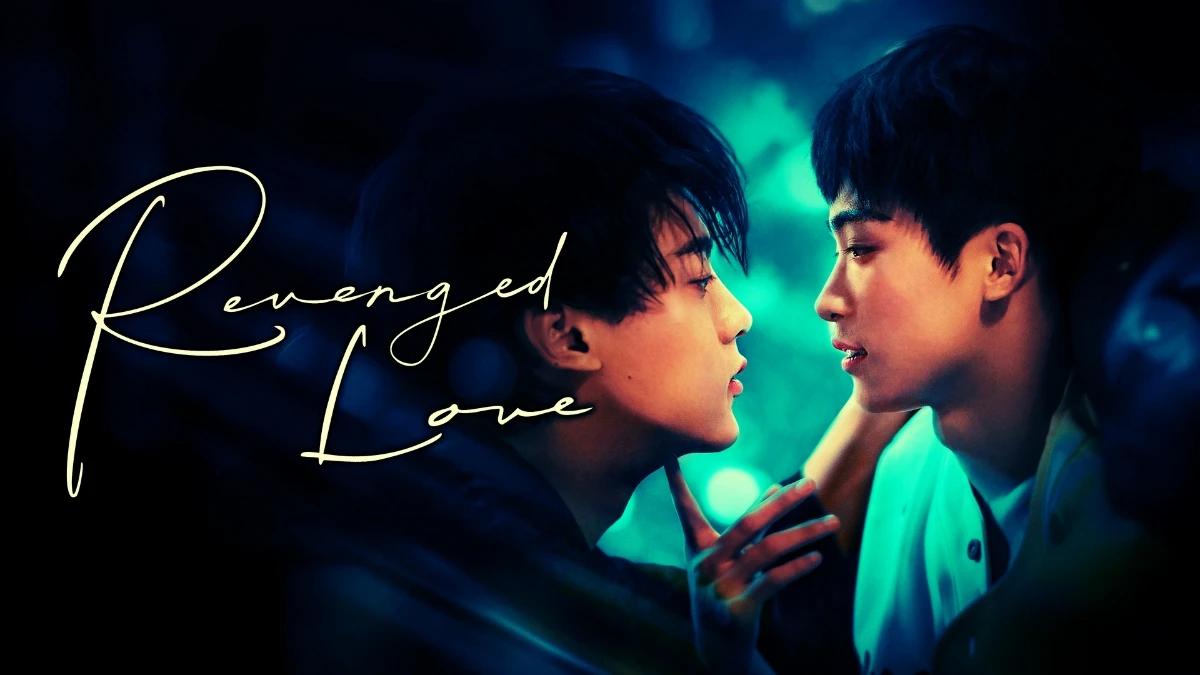
You've probably seen the clips circulating on TikTok. That one specific look from the lead actor. The silence that lasted just a few seconds too long. Honestly, Revenge Love Ep 13 isn't just another filler episode in a mid-season slump; it’s the moment the entire narrative architecture of the series decides to flip itself upside down. Fans have been waiting weeks for the "big reveal," but what we actually got was way more nuanced—and honestly, a bit more heartbreaking—than the typical "gotcha" moment we see in these dramas.
If you’re caught up, you know the stakes were already sky-high. But this episode? It basically resets the emotional scoreboard.
The Turning Point in Revenge Love Ep 13
Most shows play it safe. They give you the confrontation you expect. But Revenge Love Ep 13 decides to take the path of most resistance. Instead of the loud, explosive blowout between the two leads that the teaser promised, we got a masterclass in quiet devastation. The writers chose to focus on the internal collapse of the revenge plot rather than the external fireworks. It’s a gutsy move.
Think about the kitchen scene.
No one is shouting. The lighting is cold, almost clinical. When the truth about the 2018 incident finally leaks out, it’s not through a dramatic monologue. It’s a whisper. A realization. You can see the exact second the protagonist realizes their entire motivation for the last twelve episodes was built on a partial truth. That’s the "Revenge Love" special—making you feel bad for the person you were supposed to hate.
Why the Pacing Felt "Off" (In a Good Way)
A lot of viewers on Reddit and MyDramaList complained that the first twenty minutes felt slow. I’d argue the opposite. The slow burn is intentional. By dragging out the mundane moments—the making of coffee, the staring out of rain-streaked windows—the show builds a sense of dread. It’s the calm before the storm. When the shift happens at the 34-minute mark, it feels earned.
It’s not just about the plot. It’s about the psychological toll. We’re watching characters who have spent years hardening their hearts suddenly find they have nowhere to hide their vulnerability. It’s messy. It’s kinda gross. It’s human.
Decoding the Symbolism Everyone Missed
Did you catch the recurring motif of the broken watch?
In Revenge Love Ep 13, time is a character. The watch that stopped at 4:12 isn’t just a prop; it’s a metaphor for the lead's arrested development. They’re stuck in the past. Every action they take in the present is filtered through a lens of trauma that happened years ago. When the watch is finally discarded in this episode, it signals a shift from "getting even" to "moving on," even if the character isn't ready to admit it yet.
Then there's the color palette.
Usually, this show uses high-contrast reds and blacks to signify the "revenge" aspect. In episode 13, the colors wash out. We see a lot of greys, muted blues, and sickly yellows. It reflects the moral ambiguity that’s starting to bleed into the story. There are no heroes here anymore. Just people who have hurt each other and are now trying to figure out if there's anything left to save.
The Supporting Cast Finally Steps Up
Usually, the side characters in these dramas are just there to provide comic relief or plot exposition. Not here. The confrontation between the younger sister and the "villain’s" mother provided some of the most grounded dialogue of the season. It moved away from the melodrama and asked a real question: When does the cycle of debt actually end?
- The dialogue was sharp.
- The acting was surprisingly restrained.
- It bridged the gap between the main romantic tension and the larger family feud.
What Most People Get Wrong About the Ending of Episode 13
There's a massive misconception that the cliffhanger means the relationship is over.
If you look at the series structure, this is the classic "dark night of the soul" beat. In scriptwriting, you have to tear everything down before you can rebuild it. Revenge Love Ep 13 is the demolition phase. The protagonist didn't walk away because they stopped caring; they walked away because they realized they couldn't love the other person while still holding onto their anger.
It’s a subtle distinction, but it’s the difference between a shallow soap opera and a legitimate character study.
Honestly, the "betrayal" wasn't even the biggest part of the episode. It was the forgiveness. Or the attempt at it. Seeing the "villain" offer an olive branch that was immediately snapped in half was painful to watch, but it felt authentic to the characters' established traits. People don't change overnight. Even in a TV show.
The Production Quality Jump
Can we talk about the cinematography for a second? The use of wide shots in this episode was insane. Usually, dramas rely heavily on close-ups to milk the emotional beats. In Revenge Love Ep 13, the director pulled the camera back.
We see the characters dwarfed by their environments—large, empty houses, sprawling cityscapes, desolate parks. It emphasizes their isolation. Even when they are in the same room, the framing keeps them separated by physical barriers like doorframes or pieces of furniture. It’s visual storytelling at its best. It tells you they are worlds apart without a single line of script.
Soundtrack and Silence
The music—or lack thereof—was another standout.
The heavy orchestral themes were stripped away for the final ten minutes. All we heard was ambient noise. The sound of a car idling in the distance. The wind. It makes the dialogue feel much heavier. When the lead finally says, "I can't do this anymore," the silence that follows is deafening. It forces the audience to sit with that discomfort. No swelling violins to tell you how to feel. Just the raw weight of the words.
Real-World Themes: Why We Are Obsessed With This Episode
There is a reason Revenage Love Ep 13 is trending. It taps into a very real human desire for justice, mixed with the complicated reality of affection. We’ve all felt slighted. We’ve all wanted to "show them" what they lost. But the show asks the uncomfortable question: What happens after you win?
Most revenge stories end at the moment of victory. This show is interested in the morning after. It looks at the emptiness that follows the achievement of a long-held, spiteful goal. It’s relatable because it’s a warning. It’s a cautionary tale wrapped in a high-budget romance.
Comparisons to Other Dramas
While many compare this to The Glory or World of the Married, episode 13 proves this show is its own beast. It’s less about the "how" of the revenge and more about the "why" of the love. It’s a deconstruction of the genre.
- It subverts the "evil antagonist" trope by giving them a legitimate, albeit flawed, perspective.
- It rejects the "perfect victim" narrative.
- It focuses on the psychological consequences of obsession.
How to Prepare for the Final Episodes
The fallout from Revenge Love Ep 13 is going to be massive. If you're looking for where the story goes next, pay attention to the subplots that were introduced in the background. The legal battle mentioned in passing? That's going to be the catalyst for the finale. The mysterious phone call at the end? It's not who you think it is.
To get the most out of the remaining episodes, it’s worth going back and re-watching the first few minutes of the pilot. There are direct parallels to the dialogue in episode 13 that make the character arcs feel much more circular and satisfying.
Actionable Insights for the Fandom:
- Watch for the "Mirroring": Notice how the lead's actions in episode 13 directly mirror the villain's actions in episode 1. The roles have completely swapped.
- Check the Credits: There was a guest writer for this episode, which explains the sharper, more cynical tone compared to the earlier, more romantic installments.
- Analyze the Wardrobe: Notice the transition from structured, formal clothing to loose, disheveled outfits. The characters are literally losing their armor.
The real takeaway from this episode is that revenge is a zero-sum game. You can't burn down someone else's house without getting smoke in your own lungs. Episode 13 didn't just move the plot forward; it forced the audience to look in the mirror. It's uncomfortable, it's brilliant, and it's exactly why we keep tuning in.
Keep an eye on the official social media channels for the behind-the-scenes "Director's Cut" of the confrontation scene; word is there’s an extra three minutes of footage that was deemed "too intense" for the initial broadcast. Watching that context will likely change how you view the protagonist's final decision.