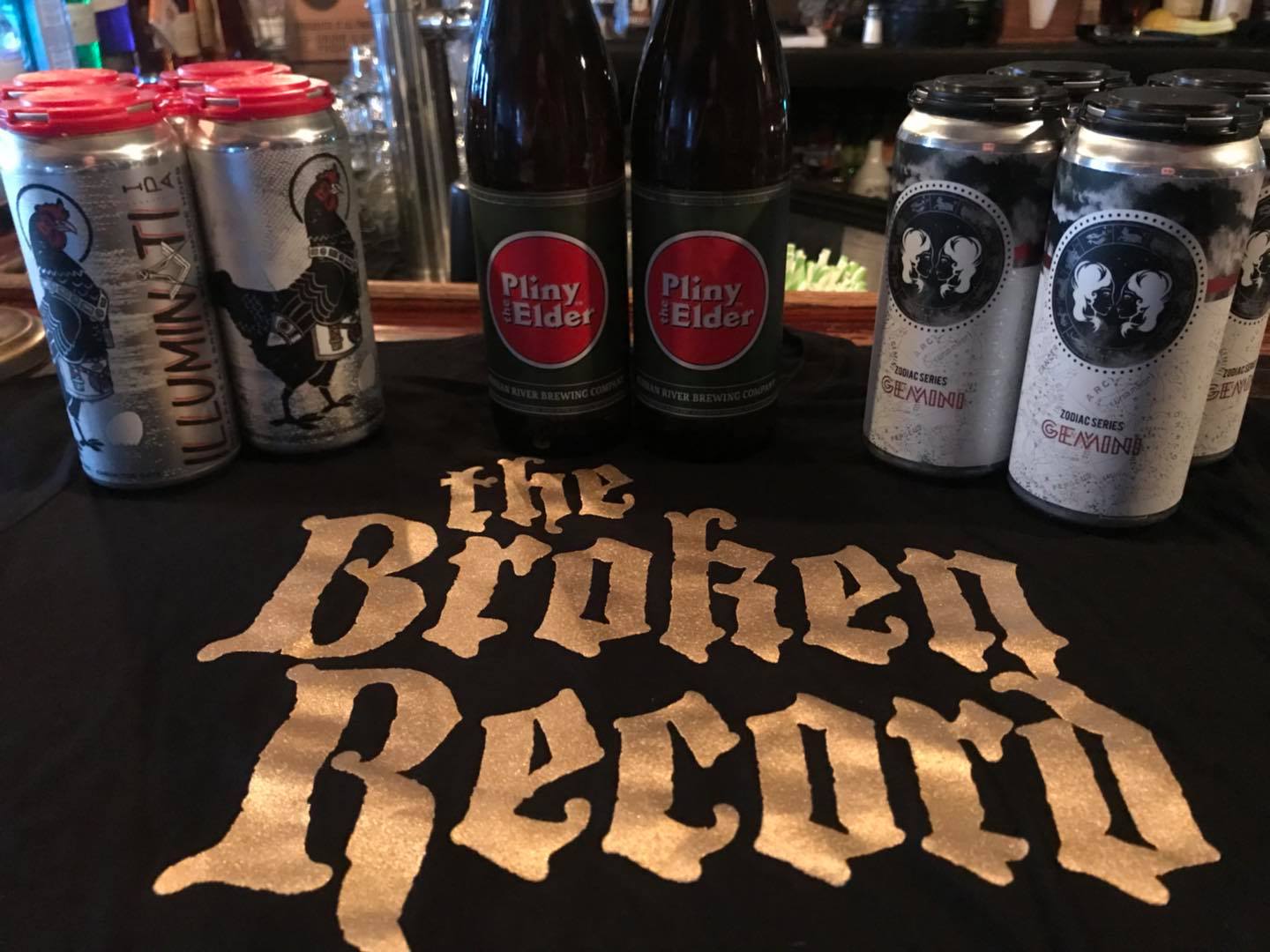
You’re walking down Geneva Avenue, right where the Outer Mission starts to feel like a real neighborhood and not just a thoroughfare. It’s windy. It’s probably foggy. And then you see it. It looks like a dive bar. It smells like old wood and spilled bourbon. But The Broken Record San Francisco is actually a masterclass in how to run a kitchen inside a space that probably hasn't seen a vacuum since the Clinton administration.
Most people get dive bars wrong. They think it's about being "gritty" or having cheap PBR. That’s easy. The hard part is serving a burger that makes a grown man cry while a jukebox plays punk rock at a volume that makes conversation a theoretical exercise.
The Secret History of the Broken Record San Francisco
It started as a whiskey bar. Sorta.
The Broken Record didn't set out to be a culinary destination. It was originally just a spot for people who lived in the Excelsior and Crocker-Amazon neighborhoods to drink without having to deal with the pretension of the Mission District or the price tags of Union Square. But something happened. They started letting chefs take over the back kitchen.
Remember the "kitchen takeover" trend? It’s everywhere now, but back then, it was just a way to pay the rent. The most famous iteration was Hood Grub. If you know, you know. They were doing elevated comfort food before that term became a marketing buzzword used to sell $28 mac and cheese. They did it for about ten bucks.
The kitchen has changed hands a few times over the years. That’s the nature of the beast in SF. Rent goes up, chefs move on to open their own brick-and-mortar spots, and the bar stays the same. But the DNA of the food remained. It's always been about high-low culture. You get a glass of Bulleit and a plate of braised short rib sliders.
What’s the vibe like right now?
Honestly, it’s dark. Very dark.
If you’re looking for a bright, airy space to take photos of your avocado toast, keep walking. This is a place where the walls are covered in stickers and the lighting is "basement chic." But that’s the point. It’s an equalizer. You’ll see a tech worker who just finished a 12-hour shift at a startup sitting next to a construction worker who has lived in the neighborhood for forty years.
There is no "vibe shift" here. It just is what it is.
The Food That Put the Outer Mission on the Map
Let’s talk about the burger. Specifically, the stuff people actually travel across the city for.
The menu at The Broken Record San Francisco usually features some variation of a burger that defies logic. We aren't talking about a thin smash burger. We’re talking about a thick, juicy patty that actually tastes like beef, not just salt and grease.
Often, they’ll do things like:
- Tater Tots that are actually crispy. It sounds simple, but most bars serve soggy bags of sadness. Here, they're a food group.
- Pulled Pork that has been sitting in a smoker long enough to develop a personality.
- Fried Chicken sandwiches that make the national chains look like they're serving cardboard.
One of the most legendary items was the Spam Musubi. Yeah, in a dive bar. It sounds weird until you realize how many people in the Excelsior have roots in the Pacific Islands or the Philippines. It wasn't "fusion." It was just local. That’s the nuance a lot of food bloggers miss when they write about this place. It reflects the neighborhood.
The Whiskey List
You can't talk about the Record without the whiskey. They have hundreds. Seriously.
The back bar is a precarious tower of brown liquor. It’s intimidating. If you ask for a recommendation, the bartender won't give you a rehearsed speech about "notes of leather and tobacco." They’ll just ask if you want something smooth or something that bites back.
They have rare bottles that would cost $50 a pour in SoMa. Here? Maybe $15. Maybe less if the bartender likes your shirt. This is one of the few places left in San Francisco where "regular" status actually means something.
Dealing With the "San Francisco" of it All
San Francisco is a weird city right now. You hear a lot of talk about it being a "doom loop" or losing its soul. A lot of that is hyperbole, but there’s a grain of truth when it comes to the loss of middle-class spaces.
The Broken Record is a middle-class space.
It’s not a "cheap" bar anymore—nothing in SF is cheap in 2026—but it’s accessible. It’s a reminder that a city needs places that aren't curated by a branding agency. The floors are a little sticky. The bathroom is... well, it’s a dive bar bathroom. Wear shoes.
But the authenticity is real. You can't fake the layers of history on those walls. Every sticker represents a band that played a show or a regular who wanted to leave a mark. It's a living archive of a version of San Francisco that is rapidly being painted over with "Agreeable Gray" latex paint.
Location and Logistics
If you’re coming from downtown, take the BART to Balboa Park. It’s a bit of a hike from there, or a quick bus ride.
- Head south on Geneva.
- Look for the black awning.
- Don't expect a host to greet you. Walk in, find a stool, and wait your turn.
Parking in the Excelsior is a nightmare. Don't even try. Just take a rideshare or the Muni. The 8, 43, and 54 all get you close enough.
Why It Still Matters in 2026
The restaurant industry is currently obsessed with "efficiency." QR code menus. Robot servers. Contactless pickup.
The Broken Record San Francisco is the opposite of efficiency. It’s human.
Sometimes the food takes a while because the kitchen is small and they’re actually cooking things from scratch. Sometimes you have to wait for a drink because the bartender is finishing a story. This is a feature, not a bug. In an era where everything is optimized for speed, there is something deeply rebellious about a place that makes you slow down.
It’s also one of the few places that bridges the gap between the "Old SF" and the "New SF." You’ll see old-timers talking about the Niners (back when they played at Candlestick) while a kid in a Patagonia vest tries to figure out how to order a whiskey neat.
Common Misconceptions
People think it's dangerous. It's not. It's the Excelsior. It's a family neighborhood. Yes, it’s a little gritty around the edges, but that’s just character.
Others think the food is just "bar food." Calling the food at The Broken Record "bar food" is like calling a Ferrari "a car." Technically true, but misses the point entirely. The level of technique coming out of that tiny kitchen has consistently outperformed Michelin-starred gastropubs for over a decade.
Actionable Insights for Your Visit
If you’re planning to go, do it right. Don't be the person who ruins the vibe.
- Check the Kitchen Hours: The bar stays open late, but the kitchen has its own schedule. It often closes earlier than you think, especially on weeknights. Check their social media or give them a call before you trek out there for a burger.
- Bring Cash: They usually take cards now, but the "cash is king" mentality still lingers in these parts. Plus, it makes tipping the bartender easier.
- Respect the Locals: If someone has been sitting at the corner of the bar since 4 PM, that’s their spot. Don't crowd them.
- Order the Specials: The chalkboard is where the real magic happens. If there’s a weird sandwich or a specific type of wing on the board, get it. Those are usually the chef’s passion projects.
- Explore the Neighborhood: Before you go into the dark cave of the Record, walk around the Excelsior. Check out the murals. Grab a coffee at Dark Horse Inn nearby. It’s one of the last truly diverse, lived-in parts of the city.
The Broken Record isn't just a restaurant or a bar. It’s a survivalist. It survived the tech booms, the pandemic, and the changing tastes of a city that constantly tries to reinvent itself. It stays the same because what it offers—good food, strong drinks, and a place to belong—is timeless.
Next Steps for Your Visit:
Before you head out, verify the current kitchen residency. The "chef-in-residence" model means the menu can shift significantly every year or two. While the burger is a staple, the side dishes and small plates will change based on who is running the line. Check recent Yelp or Google reviews from the last 30 days to see photos of the current physical menu so you know exactly what’s cooking before you arrive. Once you're there, start with a "Boilermaker" (a beer and a shot) to set the tone, then move on to the heavy hitters on the food menu.