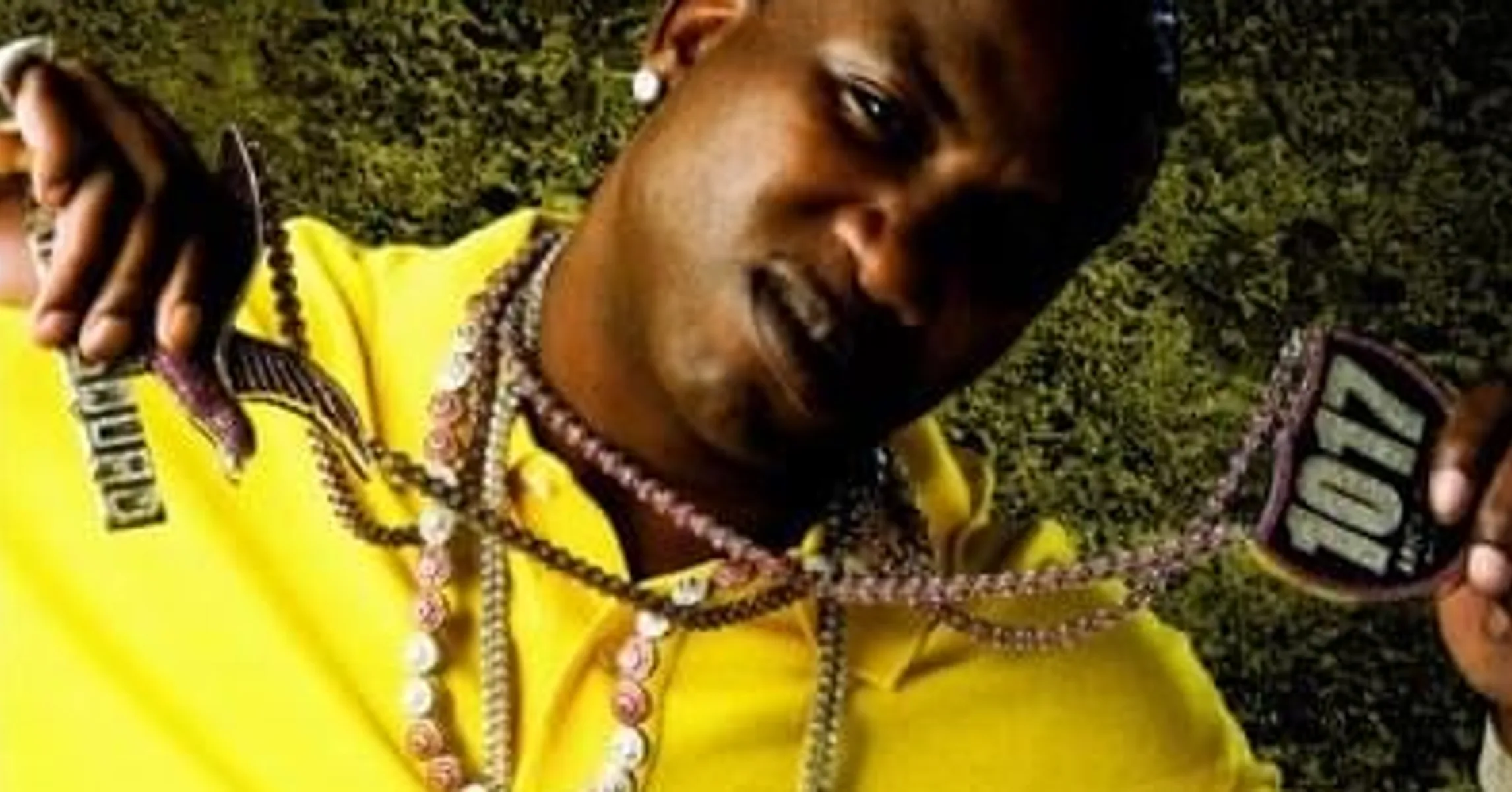
Gucci Mane was wearing a bright yellow, diamond-encrusted Lemonade chain and probably didn't even realize he was about to drop the definitive anthem of the 2009 blog era. It was a weird time for rap. You had the transition from ringtone rap into this gritty, Atlanta-dominated sound, and right in the middle of it was "Lemonade." It’s bright. It’s sour. It’s incredibly catchy. But if you really listen to that Gucci Mane Lemonade sample, you aren't hearing some high-budget studio session with a choir. You’re hearing a bizarre piece of 1960s educational theater.
Seriously.
The backbone of the song is a pitched-down, eerie, yet playful piano riff and a group of kids singing about lemons. It sounds like something out of a fever dream or a very colorful nightmare. Most people just vibed to it in the club, but the origin story of that sound is a rabbit hole that proves why Shondrae "Bangladesh" Crawford is a production genius. He didn't go for a standard soul loop. He went for "Keep It Clean."
The Weird History of "Keep It Clean"
Bangladesh is known for being a bit of a maverick. He’s the guy who gave us Lil Wayne’s "A Milli," which was basically just a distorted vocal loop and a kick drum that felt like a heart attack. For "Lemonade," he dug into the crates and found a 1970 album (recorded in 1969) called The Music Scene. The track? "Keep It Clean."
It wasn't a Billboard hit. It wasn't even meant for the radio. The original song features a group called The Kids, and it’s essentially an educational tune about literal lemons and staying tidy. It’s wholesome. It’s innocent. And that’s exactly why it works so well when you contrast it with Gucci Mane rapping about "yellow rims, yellow biggie, yellow watch."
Sampling is usually about finding a vibe. Here, Bangladesh found a color. He took those high-pitched kids' voices, slowed them down just enough to make them feel slightly "off," and layered them over a heavy-hitting 808. It created this "Sour Patch Kid" effect—sweet and sugary on the outside, but with a sharp, aggressive kick underneath. Honestly, it’s one of the most creative uses of a non-musical source in the history of the genre.
How Bangladesh Transformed the Gucci Mane Lemonade Sample
You’ve got to appreciate the technical audacity here. When you listen to the original "Keep It Clean," the piano is bouncy. It’s almost vaudevillian. Bangladesh stripped away the fluff and centered the entire track around the "lemonade" vocal refrain.
- The original lyric: "Lemonade was a popular drink and it still is."
- Wait, actually, that's a different reference.
- The kids in "Keep It Clean" are actually singing: "Gimme some, lemonade, nice and cold, lemonade."
Actually, let's get the facts straight because there’s a lot of confusion online. The "Lemonade was a popular drink" line is a legendary Guru line from Gang Starr’s "DWYCK." Gucci references it as a tribute, but the actual Gucci Mane Lemonade sample from the kids is what provides the melody. Bangladesh took that melody and played it on a keyboard to beef it up. He didn't just loop it; he re-interpreted it.
The beat is actually quite sparse. If you take out the sample, you're left with a very basic percussion pattern. This is a hallmark of the 1017 era. It wasn't about complex orchestration. It was about a single, infectious hook that stuck in your brain like gum on a shoe.
The Impact on 1017 and the Yellow Trend
When "Lemonade" dropped as the third single from The State vs. Radric Davis, it did something most trap songs couldn't do back then: it crossed over. It wasn't just for the streets. It was for the suburbs, the radio, and the burgeoning internet meme culture.
Gucci Mane has always been a master of branding. He didn't just rap about lemons; he became the color yellow for an entire fiscal quarter. The music video is a literal fever dream of yellow floors, yellow girls, and yellow cars. But none of that branding works without the sample. The sample provides the "flavor" of the song. It’s refreshing. It’s different from the dark, minor-key melodies that Zaytoven was usually cooking up for Gucci at the time.
It also sparked a massive wave of "color-coded" rap songs. Suddenly, everyone wanted a "theme" song. But few could match the pure, unadulterated weirdness of a middle-aged man from Atlanta rapping about "jewelry cold, sunshine on the bezel" over a bunch of 1960s school kids.
Why We Are Still Talking About It
Music theory nerds love this track because it’s a masterclass in the "Uncanny Valley." There is something inherently creepy about children's voices being slowed down. It’s a trope used in horror movies for a reason. By placing that creepiness into a trap context, Bangladesh created a tension that makes the listener feel both energized and slightly uneasy.
Also, can we talk about the longevity? "Lemonade" has been sampled again by other artists. It’s been remixed by everyone from Big Sean to Bun B. When a song becomes "sample-bait" itself, you know the original production was legendary.
There’s a common misconception that trap music is just "random beats and mumble rapping." This song shuts that down. The selection of the Gucci Mane Lemonade sample was a deliberate, artistic choice that required a deep knowledge of obscure media. It’s crate-digging, just not the kind of crate-digging people expected from the South in 2009.
Actionable Insights for Producers and Fans
If you're a producer looking to capture this kind of magic, or just a fan trying to understand why this song hits different, here are a few takeaways that aren't just fluff:
Look where others aren't. Most producers in 2026 are scrolling through the same Splice loops. Bangladesh went to a 1970 educational record. If you want a unique sound, look at children's media, old commercials, or instructional videos from forty years ago. The textures are weirder and the royalties are often easier to navigate (though usually still owned by big publishers).
Contrast is your best friend. The reason "Lemonade" works isn't just the sample; it's the contrast between the "innocent" vocal and Gucci's "gritty" lyrics. If your beat is dark, try a light sample. If your lyrics are aggressive, try a melody that feels like a lullaby. It creates a psychological friction that keeps people listening.
Simplicity is a superpower. Don't over-clutter the mix. Once Bangladesh had that piano and the vocal, he stayed out of the way. He let the "Lemonade" concept breathe. If your hook is strong enough, you don't need twenty different synth layers.
Respect the history. Gucci wasn't just rapping; he was nodding to Gang Starr and the history of the "Lemonade" line in hip-hop. Understanding the lineage of the words you use adds layers of meaning that "vibe" listeners might miss, but core fans will celebrate forever.
The Gucci Mane Lemonade sample remains a high-water mark for creativity in the genre. It turned a forgotten educational record into a multi-platinum cultural moment. It’s proof that in music, anything—even a lemon—can be turned into gold if you have the right ear for it.
To truly appreciate the engineering, listen to the instrumental version of "Lemonade" on a high-quality system. Pay attention to the way the piano slightly clips; that's intentional distortion that gives it a "crunchy" feel. Then, go back and listen to the original "Keep It Clean" by The Kids. You’ll see the transformation isn't just about pitch—it’s about attitude. If you're building a playlist of the most influential samples in rap history, this one belongs in the top ten, right next to "Hard Knock Life."
Go find an obscure record this weekend. Dig through a thrift store's dollar bin. You might find the next "Lemonade" hiding behind a dusty cover of a 1950s Christmas album. That's how the best music is made: by finding the beauty in the things everyone else ignored.