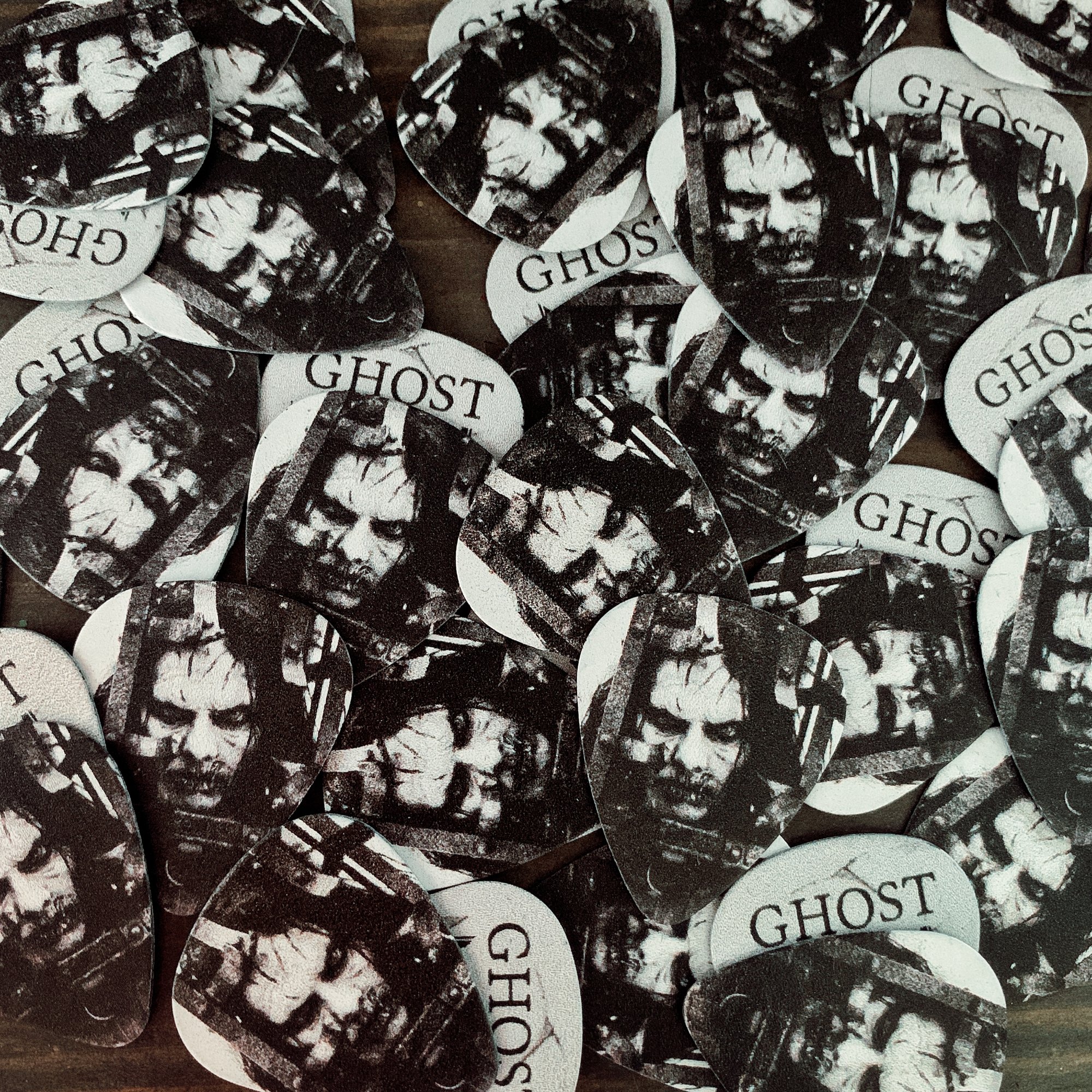
He’s the one everyone remembers. If you saw Steve Beck’s Thirteen Ghosts back in 2001, you probably walked away with a few core memories, but none quite as jagged as Ryan Kuhn. We know him better as The Jackal from Thirteen Ghosts, a twitching, filth-covered nightmare in a wooden cage who redefined what a "movie monster" could look like for a generation of horror fans. Honestly, he’s the reason a lot of us can't look at a basement or a stray crate without feeling a little bit of a chill.
He isn't just a guy in makeup. The Jackal represents a very specific, visceral kind of fear that the remake—despite its mixed critical reception—nailed perfectly. While the 1960 original was a charming William Castle gimmick-fest with "Illusion-O" glasses, the 2001 version pivoted into dark, industrial occultism. It turned ghosts into "Angry Spirits," and none were angrier than the tenth ghost in the Black Zodiac.
The Brutal Backstory of Ryan Kuhn
Most people think The Jackal is just a random creature. He's not. There is a deep, albeit disturbing, lore attached to him that most viewers miss because the movie moves so fast. Ryan Kuhn was born in 1887 to a prostitute. He was a man who hated human contact. That's a bad start for anyone, but it spiraled into a lifetime of specialized violence.
Kuhn eventually checked himself into an asylum, seeking help for his insatiable urge to bite people. He spent years in a straitjacket. It didn't work. By the time the asylum burned down, Ryan had lost his mind entirely. He preferred to walk on all fours and snapped at anything that moved. When Cyrus Kriticos found him, Ryan was basically a feral animal in a human skin suit.
The design of the character, played by Mikhael Speidel, is a masterclass in practical effects. The cage on his head wasn't just a prop; it was a containment unit. In the film’s lore, he had to be kept in that wooden head-cage because his jaw was literally rotting away from his habit of gnawing on anything—including himself. This is why his movement is so erratic. He isn't walking; he's lunging.
Why the Design Still Holds Up in 2026
Horror has changed a lot. We’ve moved through the "torture porn" era of the mid-2000s and into the "elevated horror" of the 2020s. Yet, The Jackal from Thirteen Ghosts remains a staple in horror discussions. Why? Because he isn't a CGI blur. Everything about him feels tactile.
You can almost smell the wet fur and decay. The hair is matted. The skin is pale and bruised. Most importantly, the performance is physical. Speidel didn't just stand there; he utilized a technique called "staccato movement." This makes the character appear as if he is missing frames of reality, creating a jarring, supernatural effect that makes it impossible to track his next move. It’s deeply unsettling to the human eye.
Think about the basement scene. The glass house is full of shifts and slides, but when the Jackal appears, the energy changes. He doesn't haunt; he attacks. He is the personification of rabies. While other ghosts in the house, like The Torso or The Bound Woman, are tragic or slow, the Jackal is pure adrenaline.
- He is the 10th ghost in the Black Zodiac.
- His zodiac sign is Cancer.
- His "life" was defined by a rejection of the "normal" human world.
- The cage symbolizes his internal and external imprisonment.
The Black Zodiac and Spiritual Mechanics
The "Black Zodiac" is the central conceit of the film. It's a dark mirror to the traditional astrological signs. To power the machine (the house itself), Cyrus needed thirteen specific spirits. The Jackal represents the "Hellish" aspect of this ritual. He provides the raw, chaotic energy required to open the Ocularis Infernum.
What's fascinating is how the film treats these ghosts as biological entities. They have weights, measures, and specific triggers. The Jackal's trigger is movement. If you run, he hunts. If you hide, he finds. He represents the wild, untamed animal lurking in the basement of the human psyche.
Kinda weird when you think about it—a movie about a glass house in the woods somehow created one of the most iconic character designs in 21st-century horror. It shouldn't have worked. The movie was panned for being too flashy and loud. But the creature shop, headed by the legendary Howard Berger and Greg Nicotero (who you probably know from The Walking Dead), put so much detail into the Jackal that he transcended the script.
The Legacy of the Jackal
Even now, you see the Jackal’s influence everywhere. From video games like The Evil Within to the creature designs in Dead by Daylight, that "twitchy, caged-head" aesthetic started right here.
He’s a reminder that horror doesn't always need a complex motivation. Sometimes, a monster is just a monster because life treated him like one until he became it. Ryan Kuhn didn't choose to be the Jackal, but by the time he was locked in that glass basement, there was nothing left of the man.
If you're looking to dive deeper into this specific brand of horror, start by looking into the "Arthorp" method of movement used by the actors. It’s a specific way of breaking body rhythm to look "un-human." Also, check out the DVD extras if you can still find them; the "Ghost Files" featurette gives a mock-documentary breakdown of each spirit's life that is arguably scarier than the movie itself.
To really appreciate the craftsmanship, watch the scene where the Jackal first breaks out of his glass enclosure. Pay attention to the sound design. It isn't just screaming; it's a mix of animalistic grunts and the rattling of wood. It’s the sound of a trapped soul that has forgotten how to be a soul.
The best way to experience the lore is to hunt down the "Black Zodiac" book replicas created by fans. They often compile all the backstories into one place, giving you the full picture of why Ryan Kuhn became the monster we see on screen. It’s a rabbit hole of dark history and incredible practical makeup work that reminds us why we love the genre in the first place.