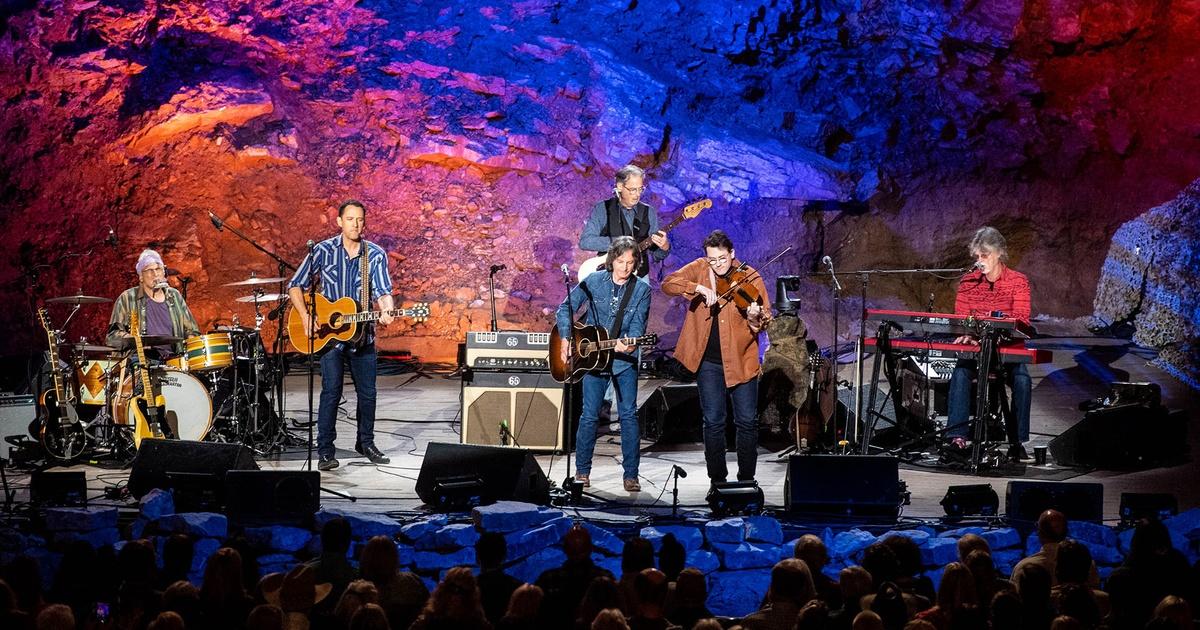
You know that feeling when a song just feels old? Not old like "outdated," but old like a piece of weathered driftwood or a pair of boots that have seen a thousand miles. That’s exactly what happens when those first few notes of the Nitty Gritty Dirt Band Mr. Bojangles cover hit the speakers. It’s got this strange, haunting gravity to it. Even if you weren't alive in 1970 when it started climbing the charts, you probably feel like you’ve known that fictional—but very real—old man your whole life.
Most people think Jerry Jeff Walker wrote a happy song about a street performer. They’re wrong. It’s a song about a jail cell, a dead dog, and the crushing weight of being forgotten. But it was the Nitty Gritty Dirt Band that took that sadness and turned it into something cinematic. They didn't just play a folk tune; they built a world around it.
The Night in a New Orleans Drunk Tank
Jerry Jeff Walker didn't pull Mr. Bojangles out of thin air. He wrote it after a stint in a New Orleans precinct in 1965. The police had swept up a bunch of street people, and Walker found himself sharing a cell with a white man who called himself "Mr. Bojangles." This wasn't the famous Bill "Bojangles" Robinson, the black tap-dancing legend. It was a pseudonym used to dodge the cops.
This man was a street performer, a guy who had lived a hard, dusty life. To lighten the mood in that grim cell, he started dancing. He told stories. He talked about his dog. He cried.
When the Nitty Gritty Dirt Band decided to record it for their album Uncle Charlie & His Dog Teddy, they weren't just looking for a hit. They were looking for a vibe. Jeff Hanna, a founding member, has talked about how they wanted to capture that raw, porch-front authenticity. They succeeded so well that a lot of people actually forget Jerry Jeff Walker wrote it. Sorry, Jerry.
Why the Arrangement Works (When it Probably Shouldn't)
Usually, if you take a gritty folk song and add a lush string section and a high-harmony chorus, you ruin it. You strip away the dirt. You make it "showbiz."
The Nitty Gritty Dirt Band Mr. Bojangles recording avoids this trap by leaning into the storytelling. It starts with that mandolin and accordion—instruments that feel like they belong in a dusty corner of the South. Jimmy Ibbotson’s lead vocal isn't "pretty" in a traditional pop sense. It’s vulnerable. It sounds like a guy telling you a story over a beer.
Then the strings come in. They don't feel like a Hollywood orchestra; they feel like the wind. They swell during the parts about the dog dying, and honestly, if that part doesn't get you, you might be a robot. The band understood that the song is a waltz. A sad, slow dance in a circle that goes nowhere.
The Uncle Charlie Connection
Here is a detail a lot of casual listeners miss: the "Uncle Charlie" intro. On the album version, the song is preceded by a recording of an actual old man named Charlie Criss. He was a relative of someone the band knew, a guy who lived in a house full of dogs and old instruments.
By placing a real interview with a real "character" right before the song, the band grounded the fiction of Mr. Bojangles in reality. They bridged the gap between a songwriter’s memory and the listener's ear. It wasn't just a track on a record; it was a piece of audio documentary. That’s why the song feels so lived-in.
The "Dog" Verse: A Masterclass in Empathy
Let’s talk about that verse. You know the one.
"He spoke of life, he spoke of life, he laughed, slapped his leg a step..."
Then the mood shifts. The dog. The dog he traveled with for fifteen years. The dog that "up and died."
Most pop songs of the era were about peace, love, or the Vietnam War. Suddenly, the Nitty Gritty Dirt Band is singing about a homeless man sobbing in a jail cell because he still misses his dog twenty years later. It’s heavy. It’s messy. It’s human.
The brilliance of the Nitty Gritty Dirt Band Mr. Bojangles version is how they handle the aftermath of that verse. The "dance" continues. The chorus comes back. It suggests that in life, no matter how much you lose, the world keeps spinning, and the music keeps playing. You just keep dancing to keep the sadness at bay.
Breaking Down the Chart Success
It’s easy to look back and think this was an obvious hit. It wasn't.
The song is over five minutes long in its full version. In 1970, radio programmers hated long songs unless your name was The Beatles or Bob Dylan. It peaked at #9 on the Billboard Hot 100 in early 1971. That’s an incredible feat for a country-folk band playing a waltz about a vagabond.
It worked because it crossed genres. Country fans loved the storytelling. Pop fans loved the melody. Hippies loved the counter-culture vibe of a guy living outside the system. It was one of the first times "Americana" really hit the mainstream, even though we didn't call it that back then.
Common Misconceptions About the Song
People get things wrong about this track all the time. Here are a few things to keep straight next time it comes up in trivia:
- It’s not about Bill Robinson. As mentioned, the man in the cell was using a stage name. Bill Robinson was a wealthy, famous entertainer. The man in the song was a "white man" (as Jerry Jeff specifically noted in his lyrics) who was broke.
- The "Dirt Band" isn't a country band. Well, they are now, sort of. But back then, they were a jug band from Southern California. They were basically long-haired kids playing traditional music.
- The dog wasn't real? No, the dog was very real. In interviews, Walker confirmed the man talked extensively about his companion. The grief was genuine.
How to Listen to It Today
If you’re listening on Spotify or Apple Music, don't just search for the single. Find the version from the Uncle Charlie & His Dog Teddy album. You need that context. You need to hear the scratchy recordings and the banjos that lead into it.
The Nitty Gritty Dirt Band Mr. Bojangles isn't just a song; it's a mood. It’s a reminder that everyone has a story, even the guy you see on the corner that everyone else ignores.
Actionable Insights for Music Lovers
To truly appreciate the depth of this track and its place in music history, consider these steps:
- Compare the Versions: Listen to Jerry Jeff Walker’s original 1968 version, then the Nitty Gritty Dirt Band’s 1970 cover, and finally Nina Simone’s haunting 1971 interpretation. Notice how the "Bojangles" character changes from a folk figure to a pop icon to a tragic soul depending on the arrangement.
- Explore the Album: Check out the rest of Uncle Charlie & His Dog Teddy. It is a foundational text for the modern Americana movement, blending bluegrass, rock, and pop in a way that influenced everyone from the Eagles to Mumford & Sons.
- Research the "New Orleans Drunk Tank" History: Look into the 1960s civil rights era New Orleans to understand why a guy like Walker (and a guy like Bojangles) would have been swept up in a police net. It adds a layer of social commentary to the lyrics that is often missed.
- Learn the Waltz: Musically, the song is in 3/4 time. If you’re a musician, try playing it. The chord progression is deceptively simple, but the "walk-down" bass line is what gives it that weeping, falling sensation.
The legacy of the Nitty Gritty Dirt Band is tied to this song for a reason. They didn't just cover it; they inhabited it. They made us care about a man who didn't exist, in a jail cell we've never been to, crying over a dog we never met. That’s the power of great content.