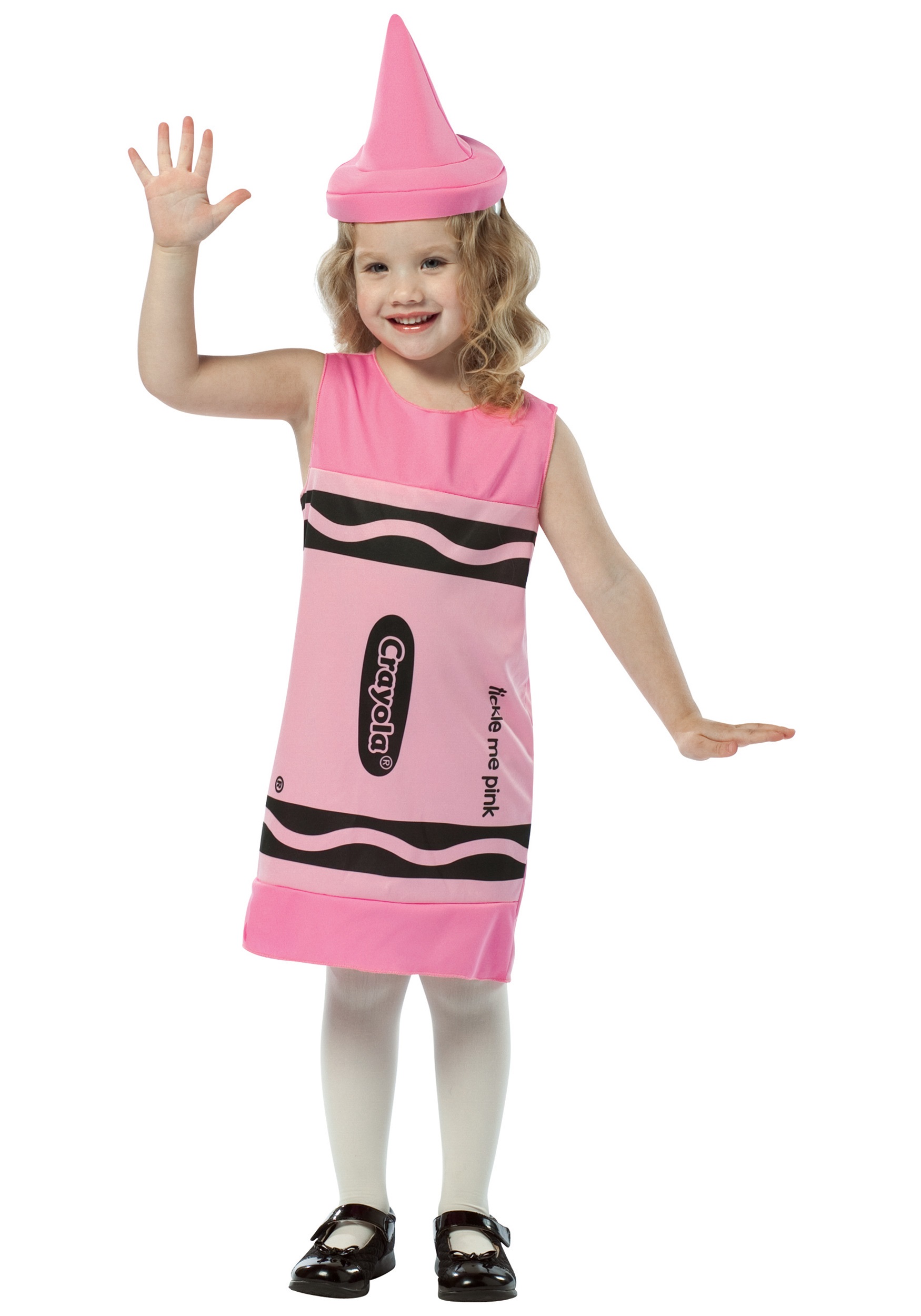
It happened in 1993. Most of us were busy watching Legends of the Hidden Temple or trying to figure out how to keep a Tamagotchi alive, but Crayola was doing something else entirely. They were busy crowdsourcing a name for a new color. It sounds like a modern marketing gimmick you'd see on TikTok today, but they did it through the mail. People sent in over 400,000 suggestions. Out of that massive pile of paper, a 12-year-old girl named Sam Courtier from Arizona came up with the winner. Tickle Me Pink crayon was born. It wasn't just a color; it was a vibe before "vibes" were even a thing. Honestly, it’s one of those rare moments where a brand actually listened to a kid and ended up with something that stuck around for decades.
What Is This Color, Really?
If you look at the Hex code—which is #FC89AC for the design nerds out there—it’s basically a bright, saturated pink with a slight blue undertone. It’s not a pastel. It’s not a neon. It sits right in that sweet spot of "bubblegum" and "flamingo." But the name is what did the heavy lifting. "Tickle Me Pink" is an idiom that dates back to the 1600s, generally meaning to be extremely pleased or delighted. Using it for a crayon was a stroke of genius because it turned a static object into a physical sensation. You don't just see the color; you feel the giggle.
Crayola has a history of playing it safe with names like "Blue-Green" or "Red-Violet." Then suddenly, you have this. It paved the way for more whimsical naming conventions that moved away from purely descriptive language. It was a shift from "this is what the wax looks like" to "this is how the wax makes you feel."
The 1990s Color Revolution
The early 90s were a weirdly transformative time for the 64-pack. We saw the retirement of "Blue-Gray," "Raw Umber," and "Maize." Replacing them were colors like "Macaroni and Cheese" and "Granny Smith Apple." The tickle me pink crayon was part of this "Big Help" campaign. It was meant to celebrate the 90th anniversary of the brand.
I think people forget how much controversy color names can actually cause. Remember "Flesh"? That got changed to "Peach" in 1962 because, well, obviously. Or "Indian Red," which was renamed "Chestnut" in 1999 because teachers kept telling Crayola that students thought it referred to Native American skin tones, even though the name originally referred to a pigment from India. In that context, "Tickle Me Pink" was safe, fun, and totally unproblematic. It was the peak of "cool" 90s branding. It felt like it belonged in a world alongside Lisa Frank stickers and neon windbreakers.
Why Do We Still Care About a Wax Stick?
Nostalgia is a hell of a drug. But it’s more than that. The tickle me pink crayon represents a specific era of childhood where creative play was becoming more interactive. It wasn't just about coloring inside the lines; it was about the personality of the tools themselves.
Specific colors often trigger sensory memories. You smell the paraffin wax. You remember the way the paper sleeve felt when it started to peel. For a lot of Millennials and Gen Xers, Tickle Me Pink is the "hero" color of the box. It’s the one that always wore down to a nub first because it was used for everything from sunset skies to flushed cheeks on a hand-drawn birthday card.
The Science of Seeing Pink
There is a weird scientific quirk about pink. Technically, pink doesn't exist on the light spectrum. There’s no wavelength for pink. It’s a trick our brains play when they try to reconcile red and violet light. So, when you’re staring at a tickle me pink crayon, you’re essentially looking at a biological hallucination.
Pink has also been used in psychological studies—think "Baker-Miller Pink," which was supposed to calm down inmates in prisons. While Tickle Me Pink is much brighter and more energetic than that particular "drunk tank pink," it still carries that psychological baggage of youth and friendliness. It's an "approachable" color. It doesn't have the aggression of a deep red or the coolness of a navy. It’s high-energy but soft.
Collector Culture and the "Lost" Crayons
If you find an original 1993 box with the "90th Anniversary" marking, hold onto it. Collectors actually hunt for these things. While Tickle Me Pink is still a staple in many large sets today, the original run has a specific cultural weight.
Crayola is notorious for "retiring" colors to the "Crayola Hall of Fame." In 2017, they kicked out Dandelion to make room for Bluetiful. People were genuinely upset. There were petitions. There were angry tweets. This tells us that these aren't just art supplies; they are emotional touchstones. If they ever tried to retire Tickle Me Pink, there would probably be a riot in the streets of Easton, Pennsylvania.
How to Use Tickle Me Pink Today (For Grown-Ups)
You don't have to be six years old to appreciate this hue. In the design world, this specific shade of pink is making a massive comeback under the "maximalism" and "Barbiecore" umbrellas.
- Digital Design: Use the hex code #FC89AC for call-to-action buttons that need to feel friendly but urgent.
- Home Decor: It works surprisingly well as an accent color against charcoal gray or deep forest green. It breaks up the monotony.
- Fashion: It’s a power color. A Tickle Me Pink blazer says you’re confident enough to wear a "childhood" color in a boardroom.
Actionable Insights for the Color Obsessed
If you want to lean into the nostalgia or just understand the impact of color better, here is what you can actually do:
- Check Your Stash: Go through your old art supplies. If you have the original 1993 anniversary box, check for the "specially marked" wrappers. Some of those are worth more than the $5 you paid for them.
- Understand the Palette: When mixing paints, remember that Tickle Me Pink is a "cool" pink. If you try to mix it with an orange-based red, you’ll get mud. Keep it near your blues and purples to maintain that crispness.
- Audit Your Branding: If you’re a business owner, look at the "Tickle Me Pink" effect. Can you rename a mundane product to something sensory or emotional? "Tickle Me Pink" sold way more crayons than "Medium Light Magenta" ever could have.
- Visit the Source: If you’re ever in Pennsylvania, the Crayola Experience in Easton is actually pretty fascinating from a manufacturing standpoint. You can see how the pigments are mixed and how they handle the literal tons of wax that go into these sticks.
The tickle me pink crayon isn't just a relic of the 90s. It is a masterclass in how to name a product, how to engage an audience, and how to create a lasting emotional connection with a piece of colored wax. It reminds us that sometimes, the best ideas don't come from a boardroom of executives—they come from a 12-year-old kid who just wanted a color that felt like a laugh.