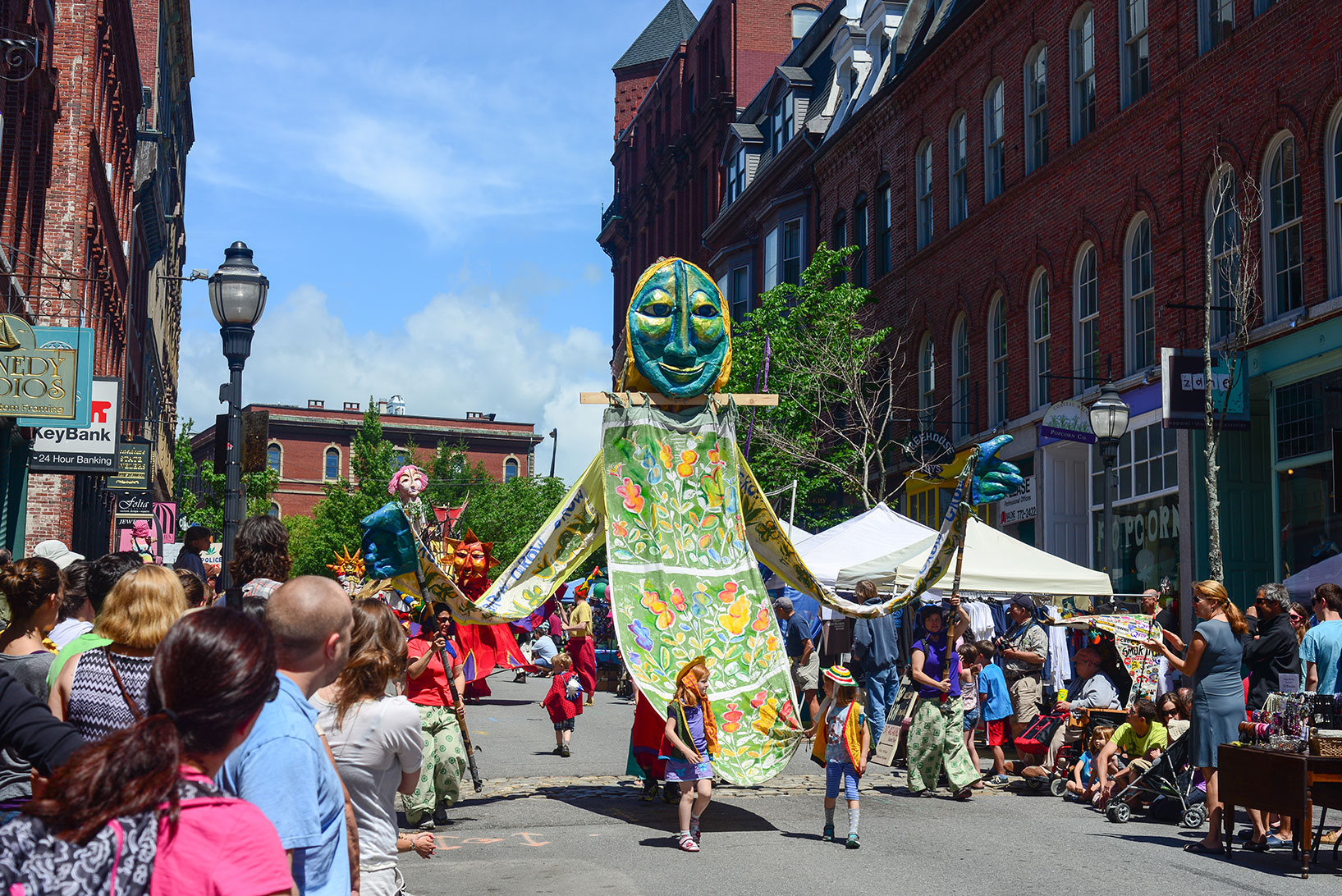
Portland has this weird, persistent habit of punching way above its weight class. You see it in the food scene, obviously, but the real soul of the city hides in the drafty backrooms and polished stages of the local arts district. Theatre in Portland Maine isn't some dusty relic of community playhouses where everyone’s aunt plays the lead. It’s gritty. It’s professional. It’s occasionally very strange.
If you walk down Congress Street on a Friday night, you’re basically tripping over actors. People here take it seriously. Like, "rehearsing in a basement until 2 AM" seriously.
Most folks from away assume they need to drive to Boston or catch a train to NYC for "real" professional theatre. They’re wrong. Portland’s scene is a mix of high-production Equity houses and experimental groups that would rather go broke than produce a boring play. It’s about the vibe. The smell of old wood and stage makeup. That specific silence that happens right before the lights go up at Portland Stage.
The Heavy Hitters of the Portland Scene
You can't talk about theatre in Portland Maine without starting at 25A Forest Avenue. That’s Portland Stage Company. They are the big dogs. As a LORT (League of Resident Theatres) member, they bring in actors from all over the country, but they keep a distinct Maine sensibility. They aren't just doing Death of a Salesman for the millionth time. They’ve got a massive commitment to new work through their Little Festival of the Unexpected. It’s where playwrights come to break their scripts and put them back together.
I remember seeing a show there a few years back where the set was basically just shipping containers. It was raw. It didn't feel like "polite" theatre.
Then you’ve got Portland Players over in South Portland. Technically they are the oldest community theatre in Maine, dating back to 1931. But "community" is a bit of a misnomer because the production value often rivals professional houses. They lean into the classics and the big musicals. If you want Guys and Dolls or a massive holiday production, that’s your spot. It’s comfortable. It’s nostalgic.
But maybe you want something that feels a bit more "Portland."
Good Theater, located at St. Lawrence Arts on Munjoy Hill, is a gem. Brian P. Allen and Stephen Underwood have built something special there. The space is an old church. It’s intimate. You’re so close to the actors you can see the sweat on their brows, which, honestly, is how theatre should be. They have this knack for finding smart, funny scripts that larger houses might overlook.
Where the Weird Stuff Happens
Let’s be real. Sometimes you don't want a polished musical. Sometimes you want to see someone have an existential crisis in a black box theatre.
Mad Horse Theatre Company is where you go for that. They’re based in the old Hutchins School in South Portland, and they are unapologetically bold. Their mission is basically to make you think, even if it makes you a little uncomfortable. They do the stuff that’s dark, edgy, and contemporary. Think Annie Baker or Martin McDonagh.
The thing about Mad Horse is the ensemble. These people have worked together for years. There’s a shorthand between them that you can feel from the audience. It’s tight.
Then there’s the Children’s Museum & Theatre of Maine. Don't dismiss this as just for kids. Their Maddy’s Theatre is a state-of-the-art space that produces some of the most imaginative visual storytelling in the city. It’s a great entry point, sure, but the artistry is legit.
- The Public Theatre (nearby in Lewiston): Often shares talent with Portland.
- Maine State Music Theatre: It’s a short drive to Brunswick, but they are the titans of summer stock.
- Aura: Mostly a music venue, but they’ve been known to host the occasional touring theatrical spectacle.
The Struggle Is Real (And That’s Why It’s Good)
Running a theatre in a city of 68,000 people isn't easy. Money is always tight. Spaces are getting more expensive as Portland’s real estate market goes absolutely nuclear. We’ve seen spaces close. We’ve seen companies merge.
But that struggle creates a specific kind of energy.
When you go to a show at PortFringe—Portland’s fringe festival—you’re seeing theatre at its most primal. It’s short-form, low-budget, and high-concept. It happens every summer and transforms the city into a hive of performance art. You might see a one-man show about a talking potato in a dive bar, followed by a searing feminist critique of Shakespeare in a tiny studio. It’s chaotic. It’s beautiful.
This isn't just about entertainment. It's about the local economy. The "theatre in Portland Maine" ecosystem supports local designers, technicians, and carpenters. When you buy a ticket, you aren't just paying for a seat; you’re paying for the lumber from the local yard and the seamstress who lives down the street.
How to Actually Do Theatre in Portland
If you’re planning a night out, don't just wing it.
First, check the Portland Phoenix or the Press Herald’s "MaineToday" section. They actually still employ critics who know what they’re talking about. Look for names like Jorge S. Arango. A bad review in a small city is a big deal, and a good one can sell out a run.
Second, eat before the show. Most theatres are in the Arts District or on the Hill. If you're going to Portland Stage, hit up Shay’s for a martini and a sandwich first. If you’re at the St. Lawrence, Blue Spoon is right there.
Third, dress code? There isn't one. This is Maine. You’ll see one guy in a tuxedo and the person next to him in flannel and Bean boots. Both are welcome. Just show up.
- Check the schedules early. Small houses like Footlights in Falmouth (just minutes away) sell out fast because they only have 60-70 seats.
- Look for "Pay What You Can" nights. Almost every major company offers these. It makes the arts accessible, which is kinda the whole point.
- The Maine Playwrights Festival. This happens annually and focuses exclusively on local writers. It’s the best way to see what the "Maine Voice" actually sounds like.
The Impact of the University Scene
We can’t ignore USM (University of Southern Maine). Their theatre department is a massive feeder for the local scene. The Department of Theatre produces high-quality shows at Russell Hall in Gorham, but the students and faculty are all over Portland.
A lot of the professional actors you see on the local stages got their start in the USM program. It provides a level of training that keeps the bar high. When the students graduate, many of them stay. They form their own small troupes. They keep the cycle going. It's why the scene feels so young and vibrant despite the city's aging demographic.
Is It Worth the Ticket Price?
Look, tickets aren't $15 anymore. For a professional show at Portland Stage, you might be looking at $50 or $70. That’s a lot of money for a lot of people.
But compared to the $200 you'd drop for a mezzanine seat on Broadway? It’s a steal. You’re getting the same caliber of talent—often the exact same actors who work in New York—in a space where you can actually see their eyes.
The intimacy is the selling point. Theatre in Portland Maine isn't a passive experience. You aren't watching a screen. You're in the room. When an actor cries, you're breathing the same air. When a joke lands, the laughter is physical.
Actionable Steps for Your Next Outing
If you want to experience the best of this city's stage offerings, start by signing up for the newsletters of the "Big Three": Portland Stage, Good Theater, and Mad Horse.
Don't wait for the summer. The "theatre season" really peaks in the winter and spring when locals are looking for a reason to leave the house and forget about the snow.
Pro Tip: If you're a local, look into the "Portland Stage Pass" or similar subscription models. They often let you see multiple shows for a fraction of the cost. Also, keep an eye on the Maine Theater Collective; they’re a great resource for seeing what’s playing across the entire state, but they have a heavy focus on the Greater Portland area.
Go see a show. Bring a friend. Turn off your phone. Let a group of strangers tell you a story in the dark. It’s one of the few things left that feels truly human.
To make the most of your visit, book your dinner reservations at least two hours before curtain time, especially if you're dining in the Old Port or the Arts District. Parking can be a nightmare near the Merrill Rehearsal Hall, so aim for the Elm Street garage—it's usually the safest bet for a stress-free walk to the theatre. Check the individual theatre websites for "Talk Back" nights, where you can stay after the performance to ask the cast and director questions about the production. It’s the best way to dive deeper into the local creative process.