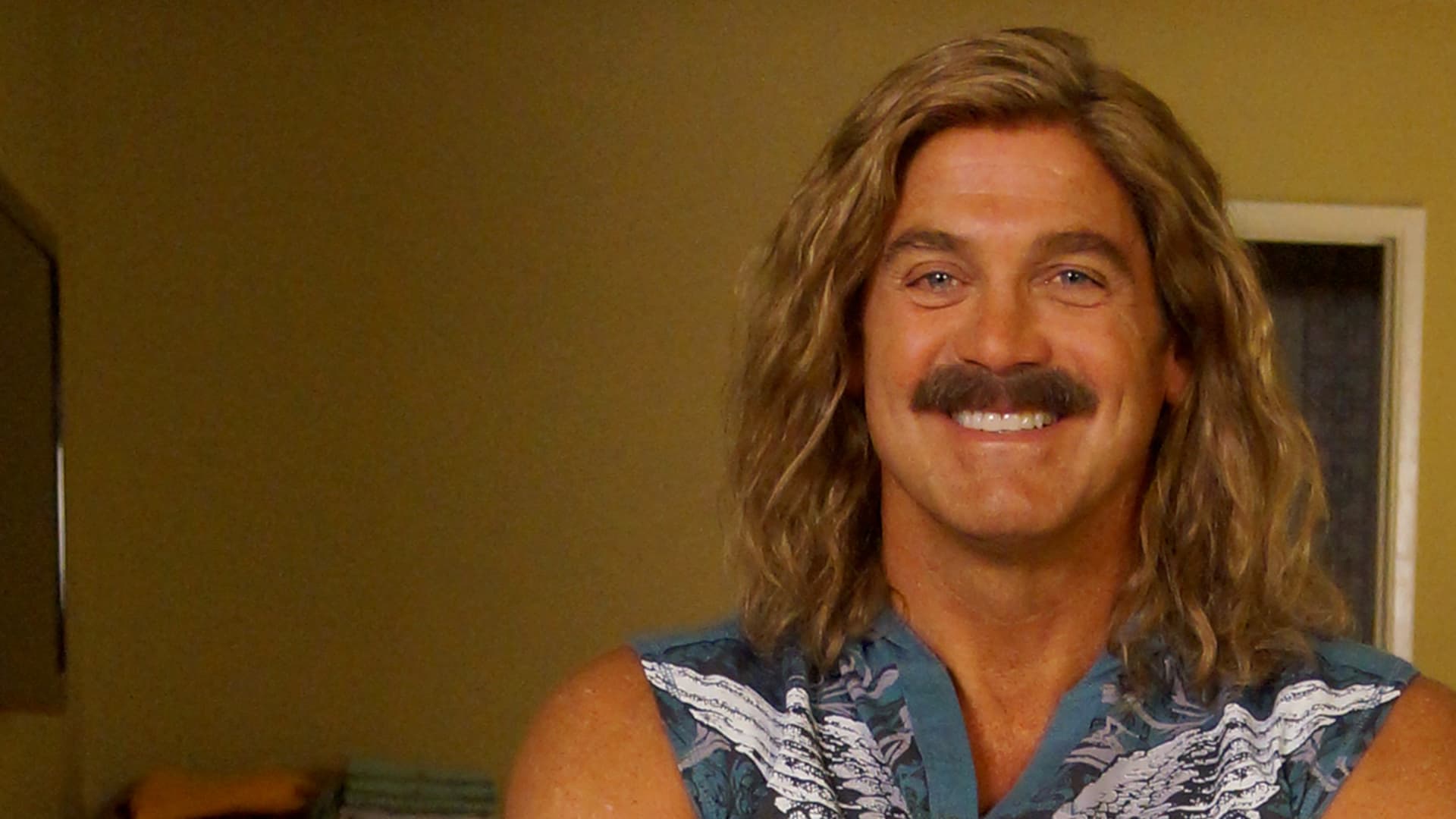
Honestly, reality TV usually has the shelf life of an open carton of milk, but there is something about Undercover Boss Season 4 that keeps it circulating in the cultural bloodstream. It’s weird. We’ve seen the formula a million times by now—the bad wig, the fake backstory about a career change, and the inevitable "I'm actually the CEO" reveal that brings a warehouse worker to tears. Yet, Season 4, which kicked off back in 2012 on CBS, captured a very specific moment in the American workforce. We were dragging ourselves out of a recession, and the gap between the C-suite and the front line felt like a canyon.
Watching it now is like looking into a time capsule.
The season didn't just feature random companies; it went after heavy hitters and brands that are basically household names. You had Stephen J. Cloobeck from Diamond Resorts International returning for a second round—the only boss to go undercover twice at that point—because he was just that obsessed with his "Meaning of Yes" mantra. Then you had the iconic (and sometimes controversial) episodes featuring Tilted Kilt and Fat Burger. It wasn't just about corporate synergy. It was about people trying to pay rent while their bosses realized they didn't know how to operate a deep fryer.
The Raw Reality of Undercover Boss Season 4
Most people remember the tear-jerker endings, but the actual meat of Undercover Boss Season 4 was the friction. Take the Tilted Kilt episode. Ron Lynch, the President, went undercover and had to face the reality of his own brand's "costume" requirements and the culture it fostered. It wasn't all sunshine and promotions. It was awkward. It was uncomfortable.
That’s the thing about this season. It felt less polished than the later ones.
- Diamond Resorts International: Stephen J. Cloobeck is a character. Love him or hate him, the guy is intense. In the season premiere, he went back under because he felt the "service culture" was slipping. It's one of the few times we saw a boss genuinely angry at middle management for failing the frontline staff.
- Fatburger: CEO Andy Wiederhorn had a fascinating arc. He had a checkered past—literally served time—and his perspective on giving people second chances wasn't just corporate fluff. It was personal.
- Post-it Notes (3M): This was a big get for the show. Seeing the scale of a company like 3M through the eyes of someone making the actual products was a reality check on how disconnected corporate HQ can get from the factory floor.
The pacing of these episodes was wild. Some segments would spend ten minutes on a single conversation about a broken sink, while others zipped through a massive logistical failure in seconds. It mirrored the chaotic energy of the businesses themselves.
Why the "Boss" Persona Failed (and Succeeded)
The disguises in Undercover Boss Season 4 were... questionable. We’re talking Spirit Halloween level mustaches. Yet, the employees bought it. Or did they? Over the years, "disguise skepticism" has become a whole sub-genre of Reddit threads. Even if some workers suspected the cameras were for more than just a "documentary about career changes," the emotional stakes remained high.
The show worked because of the workers, not the CEOs.
We met people like Kristie at Tilted Kilt, who was struggling to balance her life while being a "Kilt Girl," or the hardworking folks at Squaw Valley who were literally keeping a mountain running. The show tapped into a fundamental human desire: to be seen by the people at the top. When a CEO like John Waldron of Squaw Valley realized his employees were living in cramped conditions or struggling with basic equipment, it humanized the "Evil Corp" trope that was so prevalent in the early 2010s.
But let's be real. It was also a PR machine.
Critics often point out that Undercover Boss Season 4 was a way for companies to rehab their image. If a CEO looks like they care, the stock price stays happy. But even with that cynical lens, you can't fake the exhaustion on a worker's face after a twelve-hour shift. That part was always 100% real.
Lessons from the C-Suite to the Kitchen
If you're looking for business insights, this season was a goldmine of what not to do.
One of the most glaring issues across almost every episode was the "Communication Gap." Bosses would implement a policy at the corporate level—usually something with a buzzword like "efficiency optimization"—and then go undercover only to find that it made the actual job twice as hard for the person doing it. It’s the classic disconnect.
- Policy vs. Practice: In the Boston Market episode, George Guyton (COO) saw firsthand how rigid corporate structures can stifle the very hospitality they're trying to promote.
- Infrastructure Neglect: Many bosses were shocked by "minor" equipment failures. To a CEO, a broken dishwasher is a line item. To a worker, it's a three-hour delay and a backache.
- The Power of Recognition: The "Reveal" at the end of each episode often involved a financial gift, but the workers' reactions usually centered on the fact that the boss simply noticed they were doing a good job.
It’s kind of sad, honestly. That we live in a world where it takes a national television show and a billionaire in a wig for a hardworking parent to get a $5,000 raise or a scholarship for their kid. But that's the drama that fueled the ratings.
The Long-Term Impact of Season 4
Does anyone actually keep the promises made on the show? That’s the million-dollar question. For Undercover Boss Season 4, the track record is a bit of a mixed bag. Some of the featured companies, like Cinnabon (with Kat Cole, who became a bit of a business celebrity after her episode), saw massive growth and actually seemed to lean into the "servant leadership" model.
Others? Not so much. Some of the businesses featured have since filed for bankruptcy or undergone massive restructuring that wiped out the "feel-good" changes made during the episodes.
The legacy of the season isn't the corporate success stories, though. It’s the shift in how we view leadership. It popularized the idea that a "Good Boss" is one who isn't afraid to get their hands dirty. Even if it was mostly for the cameras, it set a standard that employees started to expect in real life. People started asking, "Would my CEO survive a shift on the floor?" Usually, the answer is a resounding "no."
What You Can Take Away Today
Watching or re-watching this season isn't just for nostalgia. If you're a manager or even just someone trying to navigate a career, there are actual, actionable vibes to pick up on here.
First, stop trusting the data reports more than the people. Every boss in Season 4 was shocked by something that was "on the books" as working fine. If you want to know how your business is doing, go talk to the person who handles the most customer complaints. They know more than your analytics dashboard.
Second, empathy is a productivity tool. This sounds like corporate speak, but the episodes prove it. When the employees felt supported, they worked harder. When they felt like a cog, they checked out. It’s not rocket science, but seeing it play out on screen makes it stick.
Lastly, check your ego. The most successful "Undercover Bosses" were the ones who were willing to look like idiots. They messed up orders, they broke machines, and they took the heat from supervisors who had no idea who they were. There is a weird kind of power in being humble enough to be bad at something.
If you want to revisit the highlights, look for the Cinnabon and Diamond Resorts episodes. They represent the two poles of the season: pure corporate rebranding and genuine, high-intensity personality. It’s a wild ride through a version of the American Dream that feels both very close and a lifetime away.
Actionable Insights for Leaders and Employees:
- Conduct your own "Undercover" audit: You don't need a wig. Just spend a day doing the entry-level tasks of your department without "leading"—just doing.
- Identify the "Broken Dishwashers": Ask your team for one small, physical thing that makes their job harder. Fix it immediately. It earns more loyalty than a pizza party.
- Humanize the Chain of Command: If you're an employee, document the disconnects between policy and reality. Present them as "efficiency gains" to get leadership's attention.
- Watch for the Red Flags: Use the "Tilted Kilt" example to see if your company culture is built on something sustainable or just a gimmick that's wearing thin on the staff.