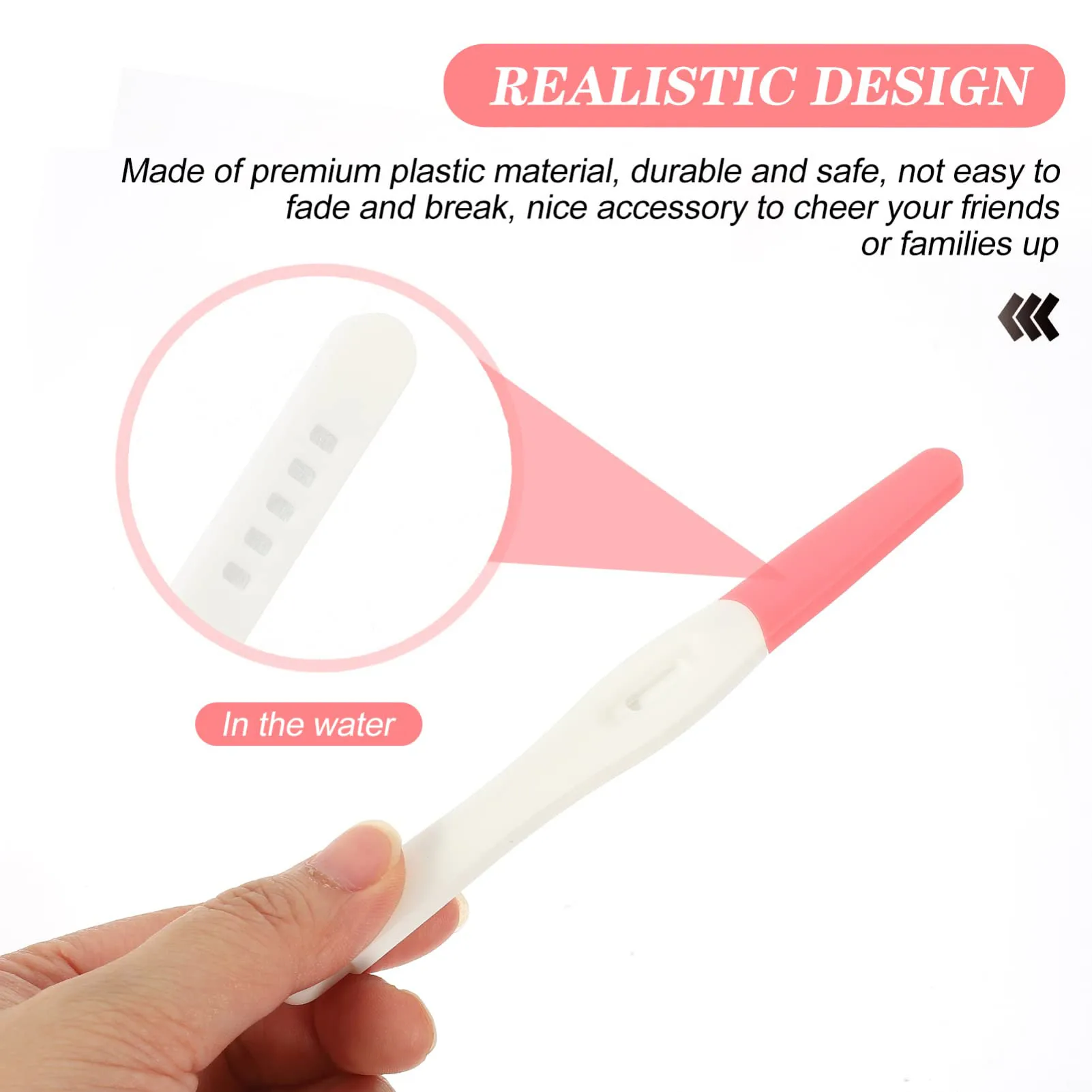
You’ve seen them. Those grainy, slightly yellow-tinted photos of a plastic stick featuring two distinct pink lines, usually snapped on a bathroom counter or held by a shaky hand. They pop up on April Fool’s Day or just randomly on a Tuesday. Honestly, the pregnancy test prank pic has become a staple of internet culture, but it’s a lot more complicated than just a quick laugh between friends.
It’s weirdly easy to find these images. A quick search brings up thousands of stock photos, Pinterest boards, and even "prank apps" designed to generate a convincing positive result. People use them to "test" their partner's reaction, mess with their parents, or just hunt for clout on TikTok. But while the person posting the photo might think it’s a harmless bit of fun, the digital footprint and the emotional fallout tell a different story.
The Weird Psychology Behind the Pregnancy Test Prank Pic
Why do we do this? Seriously. Human beings have this strange urge to simulate high-stakes scenarios just to see how people react. Psychologists often point to "attachment testing." Essentially, by sending a fake positive test, someone might be trying to gauge how committed their partner actually is without having to have a "real" conversation about the future. It’s a shortcut. A risky, messy shortcut.
But there is also the "viral" factor. In 2026, attention is currency. A photo of a positive test is a guaranteed way to spike your engagement metrics. Your phone blows up. Comments pour in. Even if you reveal it’s a joke ten minutes later, you’ve already captured the dopamine hit of being the center of the universe for a moment.
Where These Photos Actually Come From
Most people aren't out here buying actual tests and trying to manipulate them with soda or lemon juice (though that's a whole different rabbit hole of internet myths). Most of the time, a pregnancy test prank pic is sourced from one of three places:
- Stock Image Sites: Platforms like Pexels or Unsplash have high-res versions, but they often look "too" perfect, which gives the game away immediately.
- Secondary Market Apps: There are literally apps on the App Store and Google Play specifically built to overlay "positive" lines onto a photo of a real, negative test you just took.
- The "Borrowing" Method: This is the messiest version. People go onto Reddit forums or pregnancy support groups and save photos posted by real women who are actually pregnant. This is where the "prank" starts to cross some serious ethical lines.
Why Google (and Your Friends) Might Not Like Your Prank
Search engines have gotten incredibly smart at identifying duplicate content. If you pull a popular "positive test" image from a top Google search result and post it to your Facebook or Instagram, there is a high chance the platform's AI will recognize the image source. You aren't just fooling your boyfriend; you're triggering algorithms that track "recycled" or "inauthentic" content.
Beyond the tech, there is the human element. The "joke" often lands with a thud because of the sheer number of people struggling with infertility. According to data from the World Health Organization (WHO), roughly 1 in 6 people globally are affected by infertility. When a pregnancy test prank pic hits a feed, it’s not just a joke to someone who has been trying for years; it’s a reminder of a very real pain. This is why you see so many "PSA" posts every April 1st begging people to retire this specific prank.
The Evolution of the Fake Positive
In the early days of the internet, a fake positive was easy to spot. The lines were the wrong color, or the "window" on the test looked photoshopped. Now? We have "prank tests" you can buy on Amazon that are engineered to always turn positive regardless of who uses them. They use a specific chemical reaction that triggers the second line when it comes into contact with any liquid.
This shift from digital "pics" to physical "props" has made the prank feel more "real," which ironically makes the eventual reveal much more damaging to trust. If you show someone a physical object, you are creating a tactile memory. When that’s revealed as a lie, the brain processes it differently than a digital prank.
The Legal and Social Risks Nobody Mentions
Kinda crazy to think about, but using a pregnancy test prank pic can actually lead to legal trouble in very specific, extreme circumstances. While a joke between friends is just a joke, using a fake pregnancy to solicit money, gifts, or to influence legal proceedings (like a breakup or housing situation) can be classified as fraud.
- Relationship Damage: A study published in the Journal of Social and Personal Relationships highlights that "deceptive affection" or "deceptive testing" often leads to a significant drop in relationship satisfaction. Once the trust is broken by a high-stakes lie, it’s hard to get it back.
- Digital Trail: Once you send that photo, it exists forever. If you’re applying for a job or a lease later and someone does a deep dive into your digital history, seeing a history of "faking" major life events doesn't exactly scream "reliable adult."
Real Stories: When the Prank Fails
I've talked to people who thought it would be funny to post a pregnancy test prank pic on their Instagram Close Friends list. One girl, let’s call her Sarah, did this in 2024. She thought her 20 closest friends would get the joke. Instead, one friend screenshotted it and sent it to Sarah’s mom. Within an hour, her entire extended family was calling her, crying with joy. Sarah had to spend the next three days apologizing and explaining that she wasn't actually having a baby. The "joke" lasted five minutes, but the awkwardness lasted for a year.
Better Alternatives for a Laugh
If the goal is to get a reaction, there are ways to do it that don't involve faking a major life milestone. Seriously. You want engagement? Post a "we're moving" photo that turns out to be about a Minecraft house. Post a "new addition to the family" photo that is just a very small, very cute sourdough starter.
The pregnancy test prank pic is a relic of an era of the internet that was a bit more "wild west" and a bit less empathetic. In 2026, the trend is moving toward "wholesome pranks"—things that confuse people for a second but leave them feeling good afterward, rather than relieved that a "crisis" was averted.
How to Spot a Fake Pregnancy Photo
If you’re on the receiving end and you suspect someone is messing with you, look for these "tells":
- Reverse Image Search: Take the photo and throw it into Google Lens or TinEye. If it shows up on a stock site or a "prank" blog from 2018, you have your answer.
- The Metadata: If they sent it as a file, check the info. Sometimes "PrankApp_v2" is literally in the file name.
- Lighting Inconsistencies: Does the shadow of the hand match the shadow of the test? Often, digital overlays don't account for the ambient light in the room.
- The Brand: Many prank tests use generic branding that doesn't match what you'd actually find at a CVS or Walgreens. Look for the "Clearblue" or "First Response" logos. If it's a blank white stick with no branding, be skeptical.
Actionable Steps for Moving Forward
Look, if you've already posted a pregnancy test prank pic or you're thinking about it, here is the move. Think about the "why." If you're bored, there are better ways to get a hit of dopamine. If you're trying to test a partner, just talk to them. It's scarier, but it actually works.
If you’ve already posted one and it's blowing up:
- Delete it immediately. Don't let the "likes" convince you to keep it up.
- Be honest. If someone calls you out, don't double down. Just say, "Yeah, it was a dumb joke, I realize now it was in poor taste."
- Check in on your friends. You might not know who in your circle is struggling with loss or infertility. A quick "Hey, I realize that post might have been insensitive" goes a long way.
If you’re looking for a prank that actually works:
- Go for something low-stakes. The "hidden googly eyes" on everything in the fridge is a classic for a reason.
- Use "confusing" rather than "shocking." Wear your clothes backward all day and act like nothing is wrong.
- Focus on the "reveal" being immediate. The longer a prank lasts, the more it starts to feel like a lie.
The internet is full of ways to grab attention, but the pregnancy test prank pic is increasingly seen as a "low-effort" move that carries way more risk than reward. In a world where we're all trying to be a bit more "authentic" online, faking a pregnancy stick just feels... dated. Honestly, you're better than a grainy bathroom selfie.
Next Steps for Digital Etiquette
- Audit your "Joke" History: If you have old prank photos on your grid, consider archiving them. They don't age well.
- Verify Before Reacting: If a friend posts a "big announcement," take a beat. Look at the photo. See if it feels real before you send the "Congrats!" text.
- Prioritize Real Connection: Use your social media to share actual wins, not simulated ones. The engagement might be lower, but the quality of the interactions will be much higher.