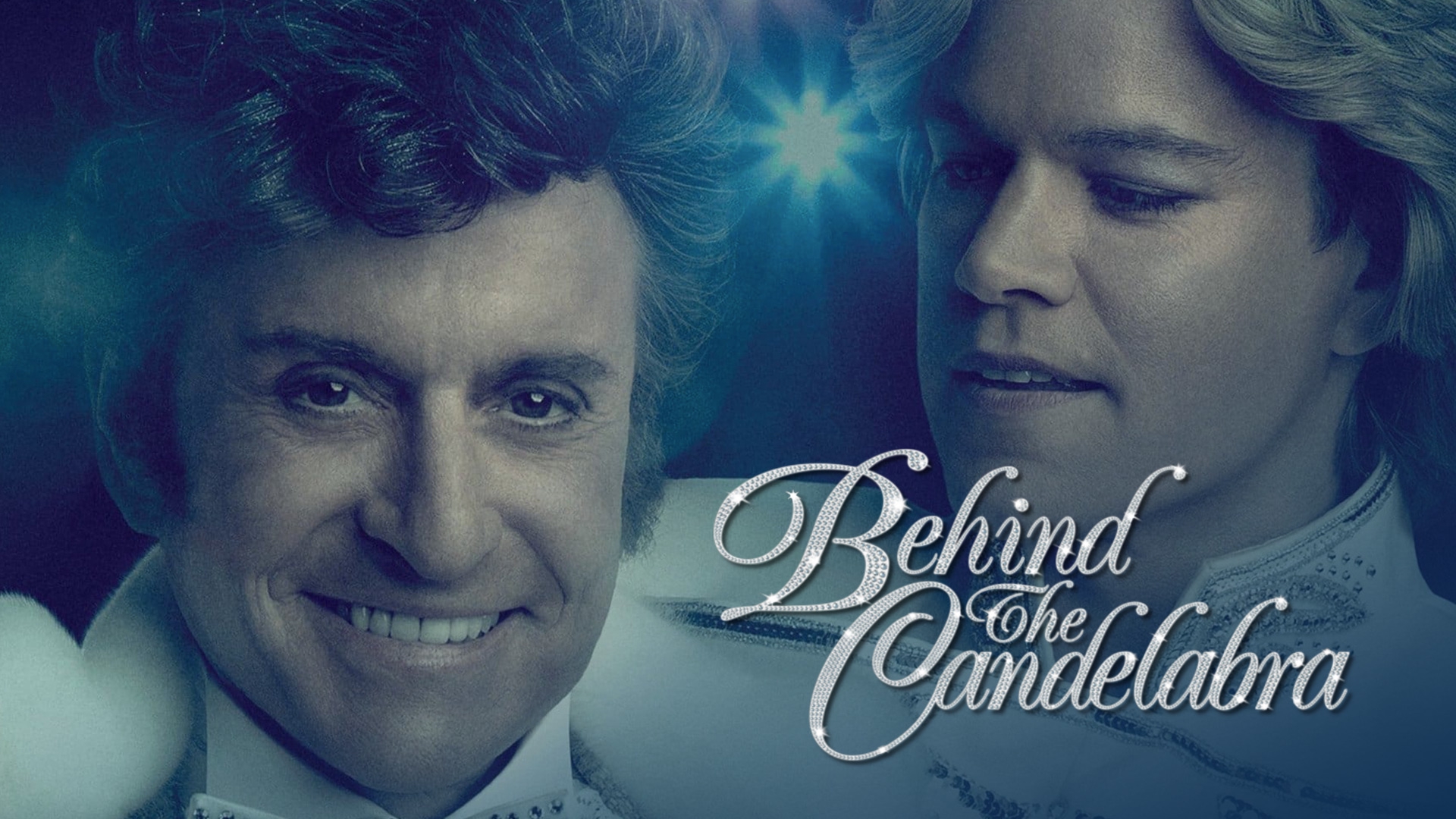
It is loud. It is gold. It is incredibly tragic. If you decide to watch Behind the Candelabra, you aren't just getting a movie about a guy who played the piano really well. You’re getting a front-row seat to the slow-motion car crash of a secret life. Steven Soderbergh’s 2013 film didn't just win a bunch of Emmys; it pulled back the velvet curtain on Liberace, a man who was simultaneously the most famous person in the world and someone who didn't technically exist to the public.
Liberace was "Mr. Showmanship." To his fans—mostly older women who adored his capes and candelabras—he was the ultimate bachelor. To the industry, he was a powerhouse. But the movie, based on Scott Thorson's memoir, tells the story of the kid who became Liberace’s live-in lover, his "son," and eventually, his plastic surgery experiment. It’s weird. It’s honestly a bit horrifying. And it’s one of the best things Michael Douglas and Matt Damon have ever done.
The Brutal Reality Behind the Rhinestones
People often forget how much of a risk this movie was. Hollywood basically turned its back on it. Soderbergh famously said he couldn't get a theatrical distributor in the U.S. because the film was "too gay." Think about that. Even in the early 2010s, a movie starring two of the biggest A-listers on the planet was considered a gamble. HBO eventually stepped in, and the rest is history.
The story kicks off when a young, naive Scott Thorson (Damon) is introduced to Liberace (Douglas) in a dressing room that looks like a jewelry store exploded. The chemistry is instant. It’s not just romantic; it’s predatory in a way that the film doesn't shy away from. Liberace doesn't just want a boyfriend. He wants to own Scott. He wants to mold him.
At one point, Liberace actually convinces Scott to undergo plastic surgery to look more like a younger version of Liberace himself. It’s a scene involving a surgeon played by Rob Lowe—who is terrifyingly frozen in his own right—and it’s the moment the film shifts from a glittery biopic into a psychological drama. You watch Scott’s identity literally get carved away. If you watch Behind the Candelabra expecting a lighthearted musical, you're in for a massive shock.
Why Michael Douglas and Matt Damon Disappeared Into These Roles
Michael Douglas didn't just play Liberace; he channeled the guy's specific brand of charisma and loneliness. It was Douglas’s first role after his battle with tongue cancer, and you can feel that "nothing to lose" energy in every frame. He nails the voice—that soft, breathy rasp—but he also nails the eyes. When the stage lights go out, Liberace looks exhausted. He looks old. He looks like a man terrified of being alone.
Then there’s Matt Damon.
Damon has the harder job, honestly. He has to play a man who is being slowly erased. Scott Thorson goes from a fresh-faced animal trainer to a drug-addicted, surgically altered shell of a person. The transformation is subtle at first, then jarring. Their relationship is a toxic cycle of "I love you" and "Get out of my house." It's a power dynamic that feels painfully real, regardless of the fact that they're surrounded by millions of dollars of kitsch.
The Craft of the Kitsh
Soderbergh acts as his own cinematographer (under the pseudonym Peter Andrews), and the look of the film is intentional. It’s saturated. It’s golden. It feels like you’re trapped inside a bottle of expensive champagne that’s started to go flat.
- The costumes by Ellen Mirojnick are historically accurate and weigh a ton.
- The production design captures the claustrophobia of the Las Vegas Hilton.
- The music isn't just background; it’s the heartbeat of Liberace’s public mask.
The Legal and Personal Fallout
The movie is based on the book Behind the Candelabra: My Life with Liberace. It's worth noting that after the film came out, the real Scott Thorson remained a controversial figure. He spent time in and out of the legal system. Critics of the book often pointed out that it was written by a man who was bitter after being discarded. However, Soderbergh and screenwriter Richard LaGravenese don't treat Scott as a perfect victim. He’s complicit. He’s greedy. He’s human.
When you watch Behind the Candelabra, you see the tragedy of the "closet" in the 1970s and 80s. Liberace sued a British columnist, Cassandra (William Connor), for suggesting he was gay, and he won. He lived a total lie until the day he died of AIDS-related complications in 1987. The film’s ending, featuring a surreal stage performance at Liberace’s funeral, is one of the most haunting sequences in modern cinema. It shows how the "show" never really ends, even when the person behind it is gone.
How to Watch and What to Look For
If you’re looking to stream it, the film is usually housed on Max (formerly HBO Max) because it was an HBO Films production.
Don't just watch it for the gossip. Pay attention to the silence. Pay attention to the way Liberace treats his mother, Frances, played by Debbie Reynolds in a role that is almost unrecognizable. The way he manipulates the people around him with gifts and "family" rhetoric is a masterclass in narcissistic control.
- The Surgery Sequence: This is the turning point. Notice the lighting changes from warm gold to a sterile, sickly blue.
- The Final Confrontation: The scene where Scott returns to the penthouse is devastating. The physical distance between the two actors in the room tells the whole story.
- The Piano Playing: Douglas spent hours learning the hand movements. Even if he isn't actually hitting the keys, the physicality is spot on.
The Lasting Impact of the Film
This movie paved the way for more honest, big-budget queer stories. It proved that "prestige" actors could play these roles without it feeling like a caricature. It also reminded everyone that Las Vegas history is dark. Beyond the neon and the gambling, there were people like Wladziu Valentino Liberace who were trapped by their own success.
The film doesn't offer a happy ending because there wasn't one. It offers a reflection on what it costs to be a legend. It asks if the applause is worth the loss of your own face.
To get the most out of your viewing experience, I'd suggest reading a bit about the real Scott Thorson afterward. His life after Liberace was a downward spiral that the movie only touches on in its final act. It adds a layer of grime to the glitter that makes the film even more impactful.
Actionable Next Steps
- Check the Availability: Head to Max or your local digital retailer to see if the film is available for streaming or rent in your region.
- Context Matters: Watch a few clips of the real Liberace on The Ed Sullivan Show or his own variety show before starting the movie. Seeing the real man's "public" persona makes Michael Douglas’s "private" performance much more impressive.
- Read the Source: If the movie sticks with you, find a copy of Scott Thorson’s memoir. It’s a fast, tawdry, and deeply sad read that fills in the gaps Soderbergh had to leave out for time.
- Double Feature: Pair this with Rocketman or Elvis. It provides a fascinating contrast in how different eras handled (or hid) the personal lives of their biggest icons.
The legacy of Liberace is complicated, but the film is clear. It’s a story about the high price of the spotlight. When you finally watch Behind the Candelabra, you won't look at a sequined jacket the same way again. It’s a brilliant, uncomfortable, and necessary piece of film history.