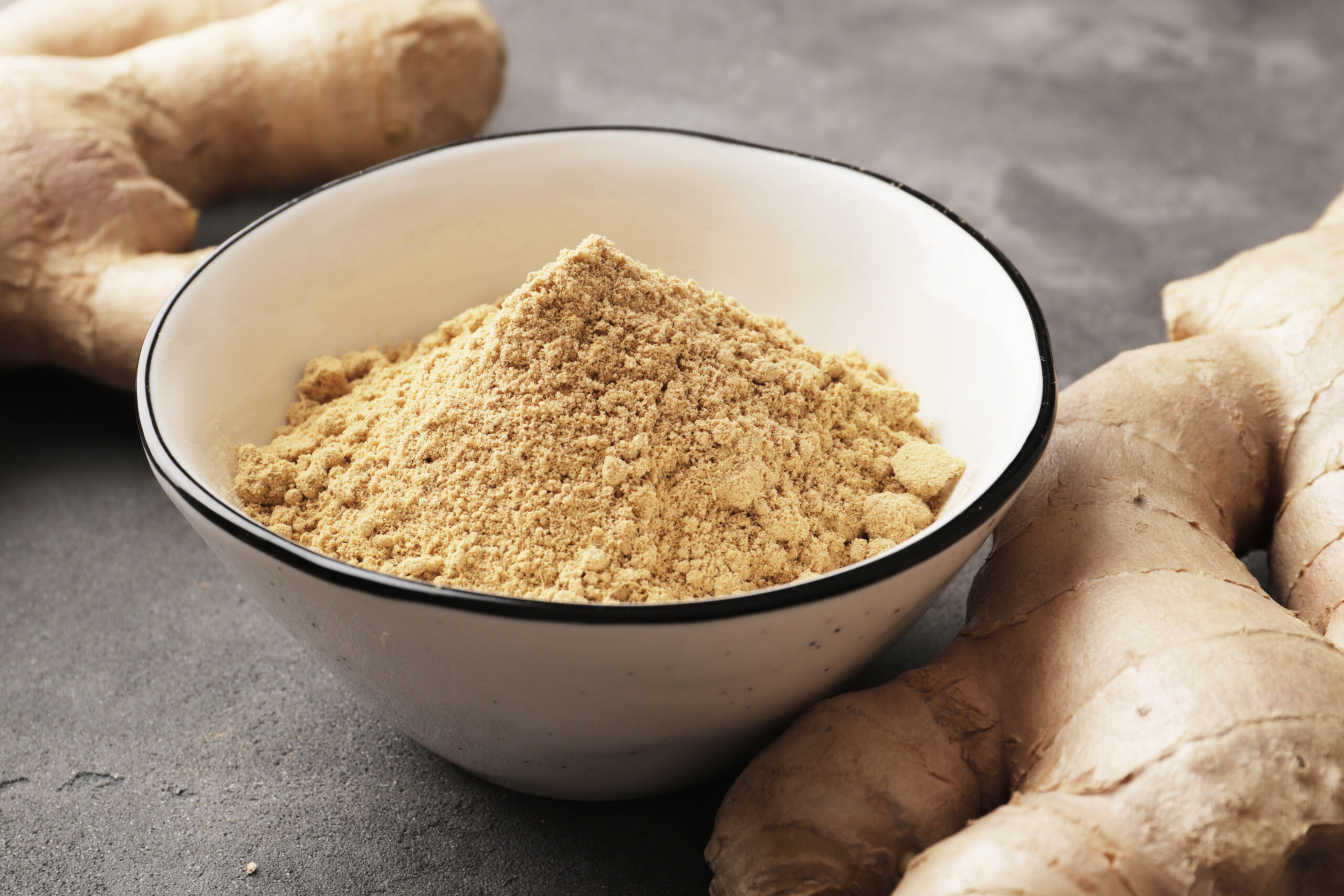
You're standing in the kitchen, halfway through a recipe for gingersnaps or maybe a spicy Thai curry, and you realize the spice jar is bone dry. It happens. You reach for the gnarled, beige root sitting in the produce crisper and wonder if you can just swap them out. Honestly, you can. But it isn't a one-to-one trade. If you try to substitute fresh ginger for powdered ginger using the same measurements, you’re going to have a bad time. One is a concentrated, spicy hit of dried phenols; the other is a bright, zesty, water-heavy rhizome that changes the very chemistry of your bake.
The Big Difference: Why They Aren't Twins
Powdered ginger and fresh ginger are like cousins who grew up in different climates. They share DNA, but their personalities are worlds apart. When ginger is dried and ground, a chemical transformation occurs. The gingerols—the compounds responsible for that fresh, sharp bite—partially convert into shogaols.
Shogaols are significantly more pungent. This is why ground ginger feels "hotter" in a throat-burning way, while fresh ginger feels "sharper" and more aromatic on the tongue.
If you're making a pumpkin pie, that ground ginger provides a foundational warmth. If you use fresh, you’re adding moisture and a citrusy high note that might clash with the mellow cinnamon. You've got to account for the water content. Fresh ginger is roughly 80% water. Ground ginger is, well, dust.
The Golden Ratio for Substitution
Most professional chefs, including those at America’s Test Kitchen, suggest a specific ratio: use 6 parts fresh ginger for every 1 part ground ginger.
Wait. Let’s make that simpler for a real kitchen scenario.
If your recipe calls for 1 teaspoon of ground ginger, you should use 1 tablespoon of grated fresh ginger.
It sounds like a lot. It is. But because the fresh root is diluted by its own juice, you need that extra volume to match the flavor intensity of the concentrated powder.
When to Substitute Fresh Ginger for Powdered Ginger
Sometimes, swapping them actually makes the dish better. Take stir-fry. Most older recipes from the 70s might call for a "pinch of ginger spice." Ignore that. Using fresh ginger here is a massive upgrade. The way the fresh juice emulsifies with soy sauce and garlic creates a depth that powder just can't touch.
In marinades, fresh is king. Fresh ginger contains an enzyme called zingibain. This is a proteolytic enzyme, which is a fancy way of saying it breaks down proteins. If you’re marinating a tough cut of flank steak, fresh ginger will actually tenderize the meat. Powdered ginger? The drying process usually deactivates those enzymes. So, if you substitute fresh ginger for powdered ginger in a marinade, you aren't just changing the flavor—you're changing the texture of the meat.
The Baking Problem
Now, let's talk about the danger zone: cookies and cakes.
Baking is chemistry. Ground ginger acts as a dry ingredient. If you swap it for a tablespoon of wet, pulpy fresh ginger, you are introducing moisture that wasn't invited. In a delicate shortbread, this might make the dough too soft.
Also, consider the "bite." Ground ginger disperses evenly through a batter. Every crumb of your gingerbread cake will taste the same. Fresh ginger, even when finely grated, tends to clump or leave tiny fibrous strands. Some people love that "pop" of flavor. Others find it distracting.
How to Prep the Fresh Root
Don't just chop it. If you’re using fresh ginger as a replacement, you need to maximize the surface area to get the flavor out.
- Peel it with a spoon. Seriously. Don't use a vegetable peeler; you'll hack off half the good stuff. Just scrape the skin with the edge of a teaspoon. It slips right off.
- Use a Microplane. This is the secret weapon. You want a paste, not chunks. Grating it finely allows the ginger to integrate into the batter or sauce without leaving hairy bits in your teeth.
- Squeeze the juice. If you're worried about the texture in a smooth custard or a light cake, grate the ginger onto a piece of cheesecloth and squeeze. Use the juice as your substitute. It’s pure flavor without the fiber.
What Most People Get Wrong About Storage
People buy a massive hand of ginger, use an inch for a recipe, and let the rest shrivel into a raisin in the fridge. That’s a waste.
Fresh ginger stays perfect for months if you toss it in a freezer bag and stick it in the freezer. You don't even have to thaw it. When you need to substitute fresh ginger for powdered ginger, just pull the frozen root out and grate it while it's rock hard. It actually grates easier when frozen—it turns into a fine ginger snow that melts instantly into your cooking.
A Quick Flavor Profile Cheat Sheet
If you are still on the fence about whether to make the switch, think about the "vibe" of your dish:
- Ground Ginger: Warm, earthy, background heat, woody, stable. Best for spice blends (Ras el Hanout), cookies, and classic pies.
- Fresh Ginger: Bright, citrus-forward, sharp, refreshing, aromatic. Best for dressings, seafood, teas, and heavy meats.
The Health Angle: Is One Better?
Both forms are nutritional powerhouses, but they offer different things. If you're looking for nausea relief, both work. However, some studies suggest that the gingerols in fresh ginger have more potent anti-inflammatory effects in the short term. On the flip side, the shogaols in dried ginger (formed during the drying process) are being studied for their potential neuroprotective benefits.
Basically, if you have a cold, go fresh. The aromatics help clear the sinuses in a way the powder can't. If you’re looking for a long-term supplement for joint health, the concentrated powder in a capsule is usually the way to go.
Practical Steps for Your Next Meal
If you've decided to make the swap today, follow these steps to ensure the dish doesn't flop.
First, check the age of your fresh ginger. If it’s soft or wrinkly, the flavor has degraded and it might taste "soapy." You want firm, heavy roots with shiny skin.
Second, adjust your liquids. If you’re adding two tablespoons of fresh ginger paste to a cookie dough, consider removing a teaspoon of the other liquid (like milk or vanilla) to keep the hydration levels balanced.
Finally, taste as you go. You can always add more ginger, but you can’t take it out. Fresh ginger’s potency varies wildly depending on how old the root is and where it was grown. Chinese ginger tends to be milder, while smaller "baby" ginger or Hawaiian varieties can be incredibly spicy.
Start with the 1 tablespoon (fresh) to 1 teaspoon (ground) rule, but trust your tongue over the measurements. If the aroma is jumping out of the bowl, you’ve probably used enough. If you’re making a stir-fry or a soup, don't be afraid to go over the recommended ratio; fresh ginger is much more forgiving in savory applications than it is in a precise cake recipe.
Next Steps:
- Audit your spice cabinet: If your ground ginger is more than six months old, it has likely lost its punch. Toss it and buy a fresh root.
- Freeze your leftovers: Peel your remaining fresh ginger now, wrap it tightly, and freeze it so it's ready for grating next time.
- Try a "Half and Half": In recipes like gingerbread, try using half the called-for ground ginger and substituting the rest with fresh for a complex, multi-dimensional flavor profile.