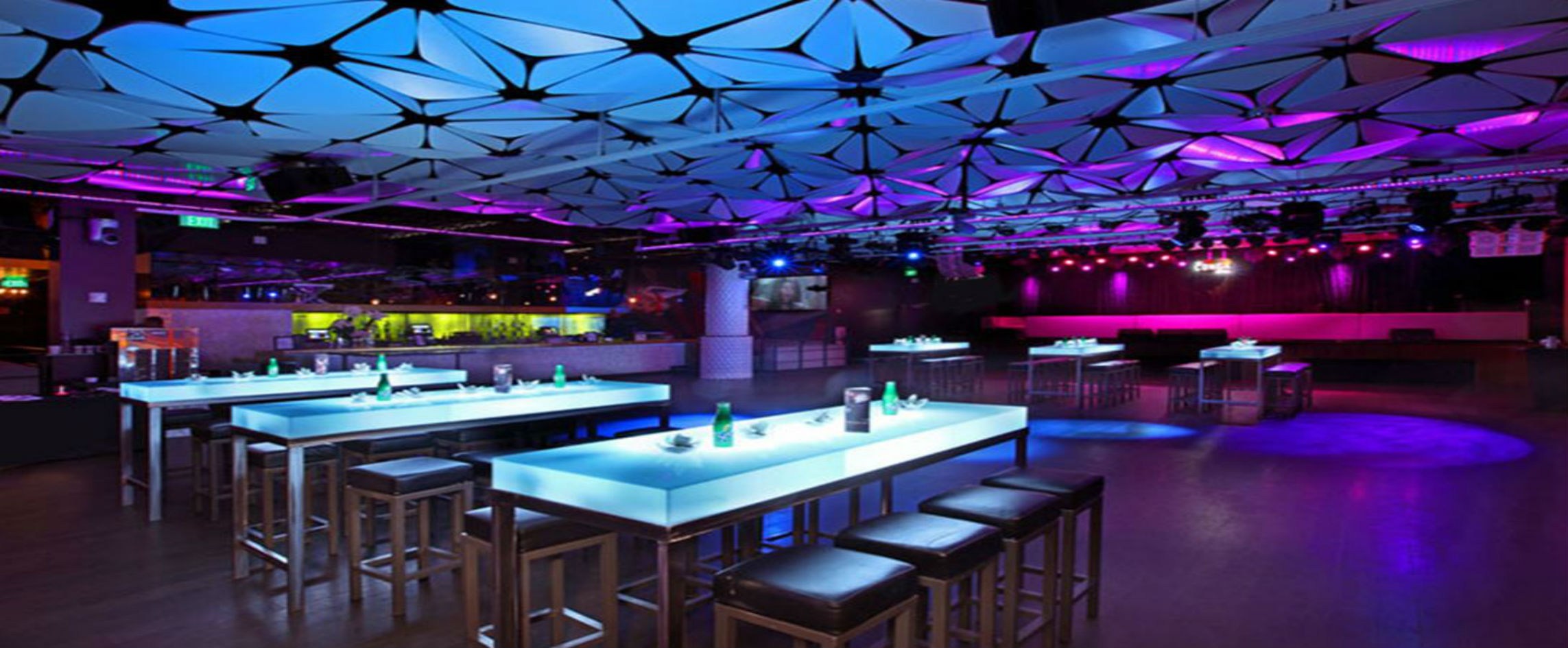
Walk down Olive Street in DTLA today and things feel a little quieter. A little less rhythmic. For over twenty-five years, the Conga Room wasn't just another nightlife spot; it was the definitive Conga Club Los Angeles fans pointed to when they wanted to prove the city had soul. It survived the move from the Miracle Mile to L.A. Live. It survived the digital shift in music. But in early 2024, the lights stayed off for good.
You've probably heard the names attached to it. Jimmy Smits. Jennifer Lopez. Paul Rodriguez. Sheila E. This wasn't some corporate venture backed by faceless suits in a boardroom. It was a passion project launched in 1998 by people who actually lived the culture. Honestly, seeing it go felt like losing a piece of the city's DNA.
The Night the Music Started on Wilshire
The original location at 5364 Wilshire Blvd was legendary. It was intimate. It was sweaty. It felt like a fever dream of mid-century Havana mixed with the grit of 90s Los Angeles. When it opened, it filled a massive void. If you wanted high-end Salsa, Boogaloo, or Merengue, you didn't go to a dive bar in the valley. You went to the Conga Room.
The celebrity ownership wasn't just for show. You’d actually see them there. It created this weird, beautiful ecosystem where a busboy from East L.A. could be spinning on the same dance floor as a Hollywood A-lister. That’s rare. Usually, L.A. nightlife is strictly segregated by "who you know," but the Conga Room was always about "how you dance."
Moving to L.A. Live: A Risky Bet
In 2008, everything changed. The club moved to the massive L.A. Live complex across from what was then the Staples Center. People were worried. Would the "soul" survive a move to a shiny, corporate entertainment district?
Surprisingly, it did. The new space was gorgeous—designed by Belzberg Architects with that famous "tornado" ceiling that looked like frozen motion. It held over a thousand people. It had the Nokia Plaza view. It became the go-to afterparty spot for the Grammys and the Latin Grammys. If a major Latin artist was in town, they weren't playing a hotel ballroom. They were at the Conga Room.
Why the Conga Club Los Angeles Legacy Still Matters
Basically, the club served as a bridge. It bridged the gap between traditional tropical sounds and the surging popularity of Reggaeton and Latin Trap. You could hear Celia Cruz and Bad Bunny in the same night, and somehow, it made sense.
The venue wasn't just about the music, though. It was a cultural hub. They hosted community events, political fundraisers, and art shows. It functioned as a town square for the Latino community in a city that often feels fragmented. Brad Gluckstein, the co-founder and real engine behind the venue, always emphasized that the club was about "cultura," not just cocktails.
Honestly, the programming was fearless. They booked everyone from Tito Puente and Celia Cruz to Kendrick Lamar and Snoop Dogg. It was one of the few places where "Urban" and "Latin" weren't just marketing categories—they were the same crowd.
The Reality of the 2024 Closure
So, what happened? Why did the most famous Conga Club Los Angeles ever produced stop the music?
It wasn't one single thing. It was a "perfect storm" of shifts in the entertainment industry. First, let's talk about the pandemic. COVID-19 decimated nightlife globally, but for a venue that relies on close-contact partner dancing, the recovery was even slower. People got used to different ways of socializing.
Then there’s the real estate factor. Downtown Los Angeles has been through the wringer lately. With the rise of remote work, the foot traffic that fueled L.A. Live on non-event nights thinned out. Rent in those prime spots doesn't go down just because the economy gets weird.
The Evolution of Latin Music
There's also a deeper, more nuanced reason. Latin music became the biggest thing in the world.
When the Conga Room started, Latin music was a "niche" in the U.S. market. By 2024, artists like Karol G and Peso Pluma were selling out stadiums. When your favorite artists move from 1,000-seat clubs to 50,000-seat arenas like SoFi Stadium, the "middle-sized" venue starts to feel the squeeze. The Conga Room was in that middle ground. It was too big to be a "secret" spot and too small to host the global superstars who used to call it home.
What People Often Get Wrong About the Club
A lot of people think the Conga Room was just a "salsa club." That’s a huge misconception.
By the end, it was a multi-genre powerhouse. On any given Friday, you might have a world-class DJ spinning Hip-Hop in one room while a 12-piece orchestra played Mambo in the other. It was a hybrid. It had to be. If it had stayed strictly a salsa venue, it probably would have closed a decade earlier.
Another myth? That it was only for the "Elite." While there were VIP booths and bottle service—this is L.A., after all—the heart of the place was always the dance floor. The "Salsa Congress" crowd, the professionals who show up with their own dance shoes in a bag, were the ones who gave the place its heartbeat.
Expert Insight: The Future of Latin Nightlife in L.A.
With the Conga Room gone, where does that leave the scene?
It’s moving back to its roots. Smaller, more modular pop-up events are taking over. We’re seeing a rise in "collective-based" parties like Subsuelo or Gasolina that move between different venues. The "mega-club" model is struggling, but the demand for the music is higher than it has ever been in history.
If you're looking for that specific Conga Club Los Angeles vibe today, you have to look a bit harder. You'll find pieces of it at La Cita in DTLA or El Floridita in Hollywood. But the specific blend of high-production value and raw cultural authenticity that the Conga Room offered? That’s currently a vacant seat.
How to Experience the Legacy Today
Since you can't walk through those doors anymore, the best way to honor the history is to support the artists who made the venue famous. Many of the resident DJs and promoters from the Conga Room are still active in the L.A. scene.
- Follow the DJs: Look for names like DJ Bongo or DJ Santarosa on social media. They were the architects of the club's sound and still spin at venues across the city.
- Visit L.A. Live: Even without the club, the area remains a hub for Latin entertainment. The Grammy Museum nearby often features exhibits on the very artists who graced the Conga Room stage.
- Support Local Salsa: Venues like The Warehouse in Marina Del Rey or Steven's Steakhouse still keep the formal dance tradition alive.
Actionable Next Steps for Music Lovers
If you're mourning the loss of this institution, don't just stay home. The best way to ensure another "Conga Room" can eventually rise is to participate in the current ecosystem.
- Check the calendars at the Hollywood Bowl or the Greek Theatre for the "Pan-American" nights that often feature Conga Room alumni.
- Explore the DTLA arts district for smaller venues that are currently experimenting with the "Neo-Latin" sound.
- Research the "Conga Room Presents" archives. The brand hasn't entirely disappeared; they still occasionally lend their name to curated events and digital content.
The Conga Room didn't just close; it graduated. It spent 25 years teaching Los Angeles how to dance, how to mix cultures, and how to celebrate Latin excellence. The physical building is gone, but the influence on how we party in this city is permanent.
Look for the "C" logo in the history books of L.A.—it earned its spot right next to the Troubadour and the Whisky a Go Go. The rhythm just moved somewhere else.